


 fr
frHow to Choose the Right Hiking Shoes?
A good pair of hiking shoes is the most crucial piece of your equipment. Whether you are setting off for a casual Sunday walk, a demanding trek in the Alps, or a via ferrata, your choice of footwear directly impacts your comfort, safety, and overall walking enjoyment. Ankle height, sole rigidity, grip, sizing: here is our expert advice to help you find the perfect fit.
1. Low, Mid, or High Cut: Which Ankle Height Should You Choose?
Choosing the right shaft height (the part of the shoe that covers the ankle) mainly depends on the type of terrain and the weight of your backpack.
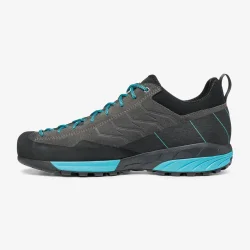
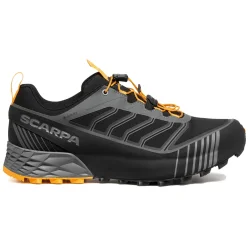
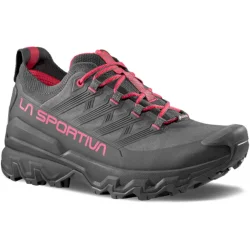
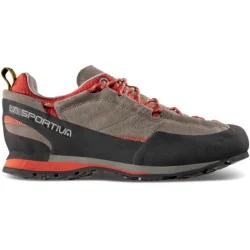
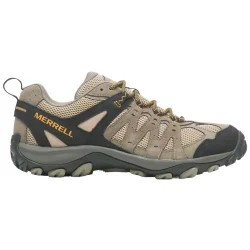
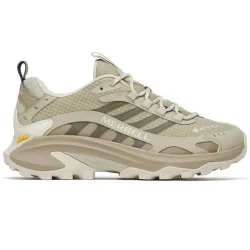
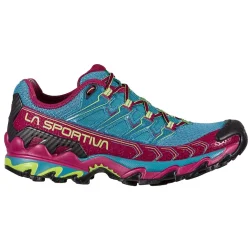
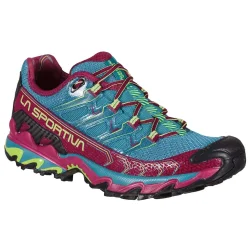
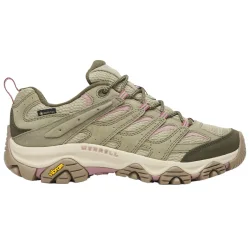
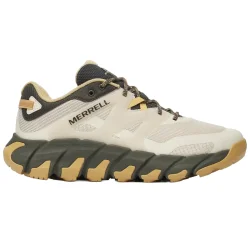
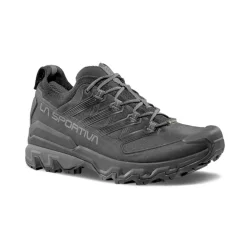
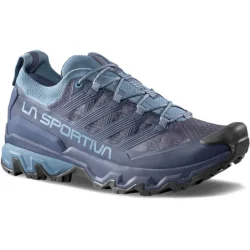
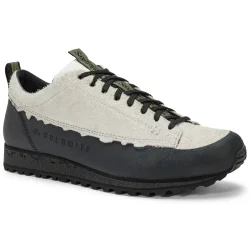
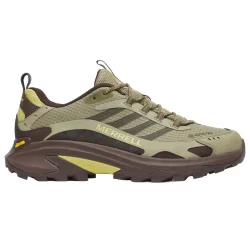
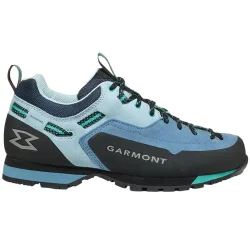
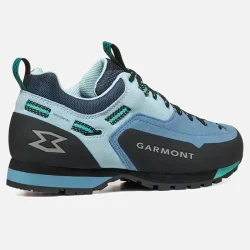
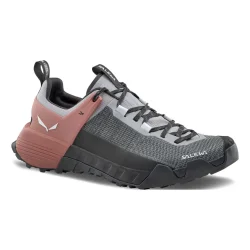
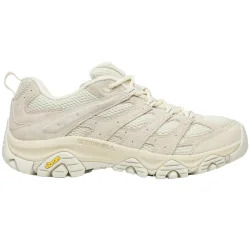
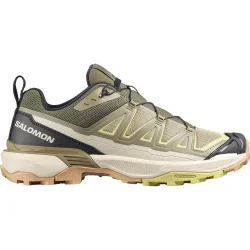
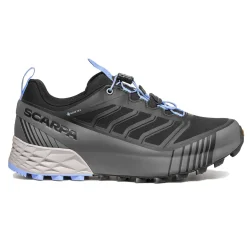
Low-Cut Shoes
Gaining popularity,
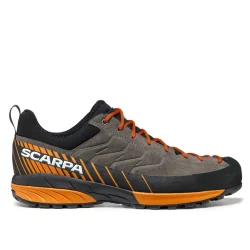
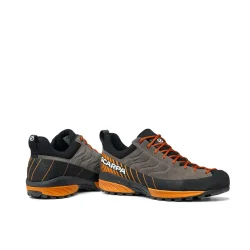
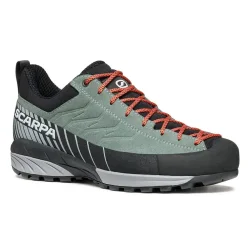
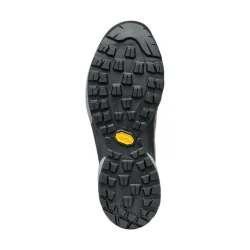
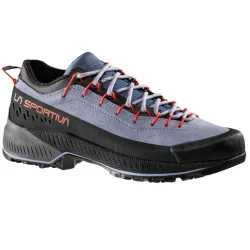
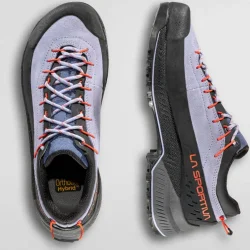
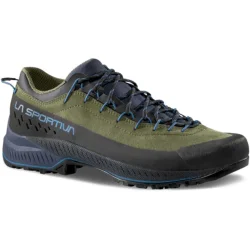
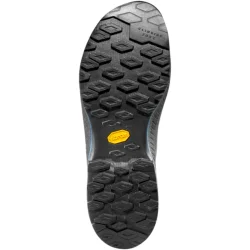
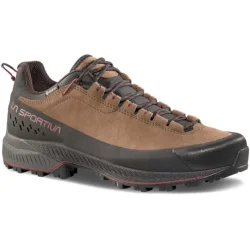
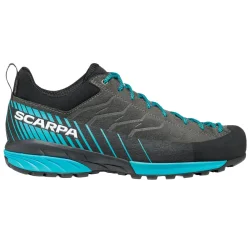
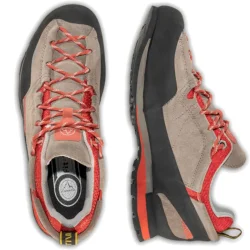
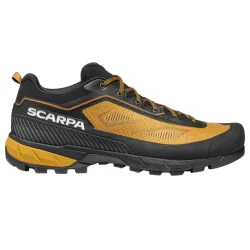
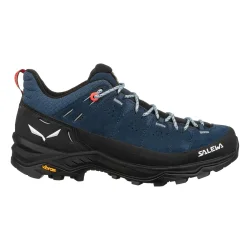
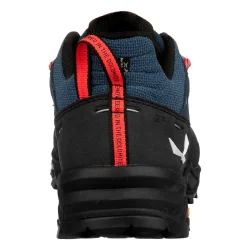
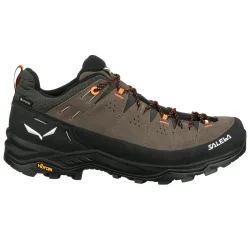
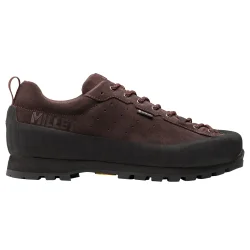
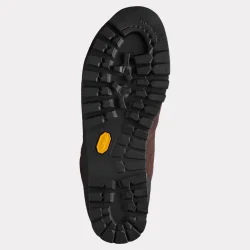
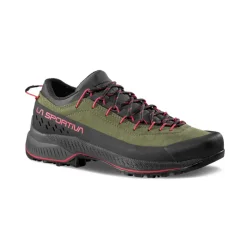
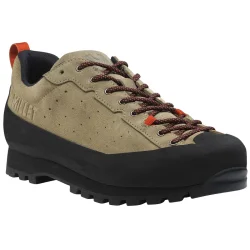
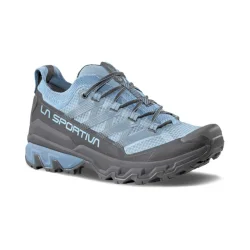
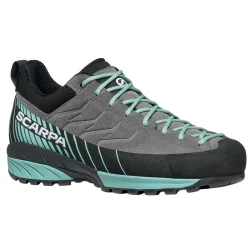
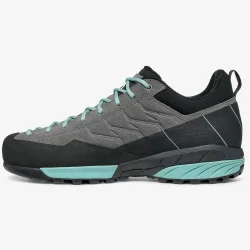
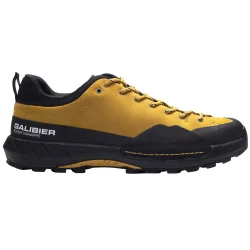
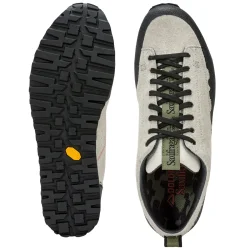
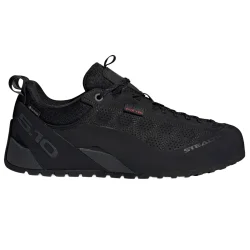
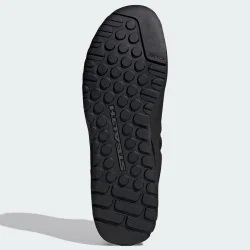
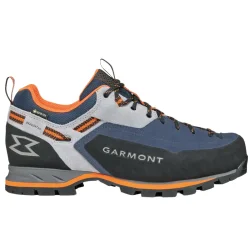
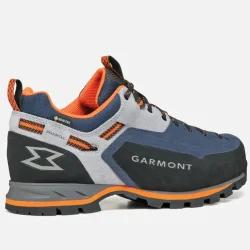
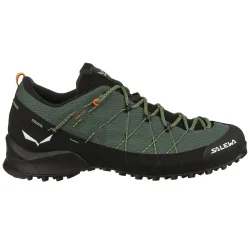
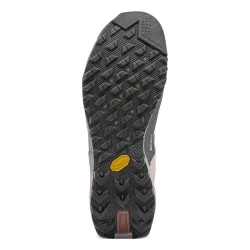
Originally, approach shoes were designed to reach outdoor climbing routes, tackle via ferratas, or move around boulder fields. They serve as the ideal bridge between a classic hiking shoe and a climbing shoe. Key features include:
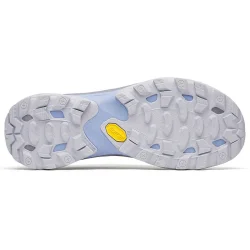
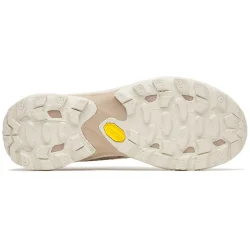
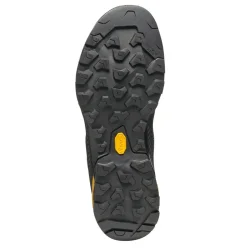
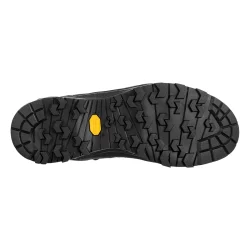
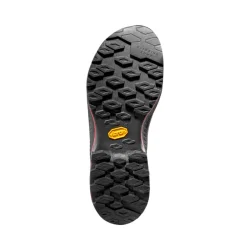
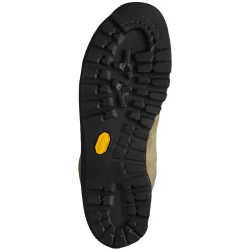
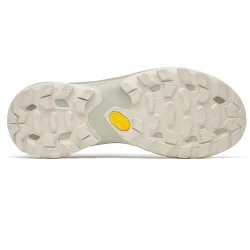
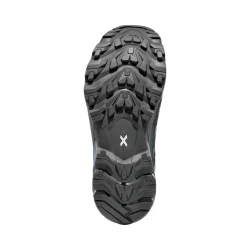
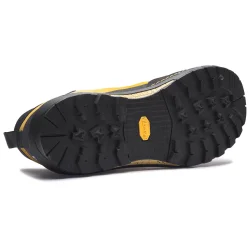
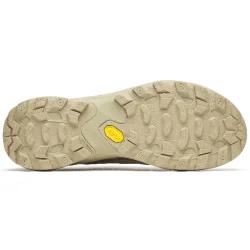
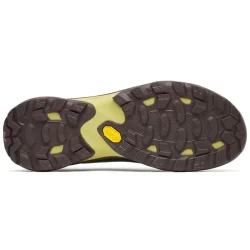
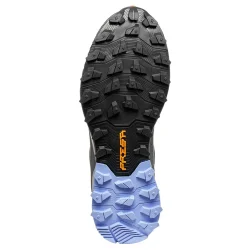
A stiff, lugged outsole (often developed in partnership with
Vibram To-the-toe lacing for an ultra-precise fit and maximum toe precision.
Climbing zones at the front and rear for optimal grip on rock surfaces.
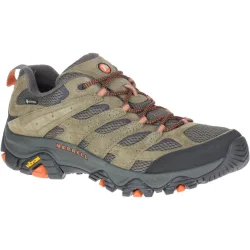
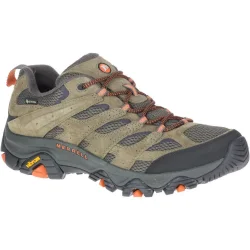
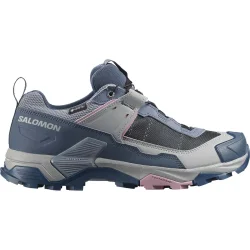
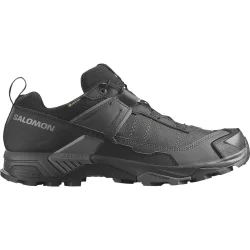
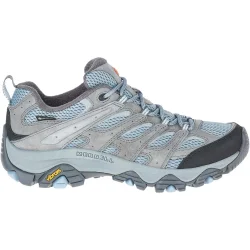
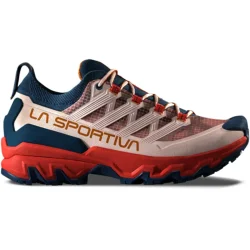
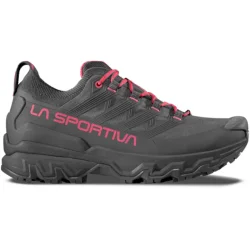
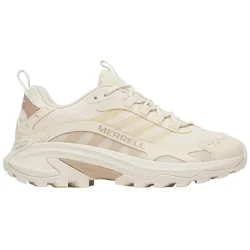
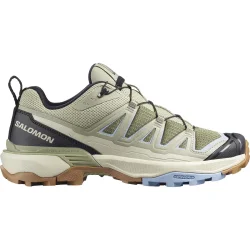
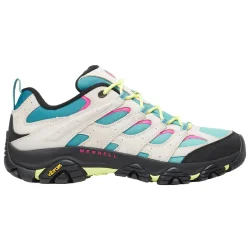
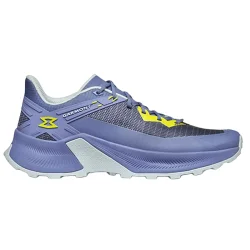
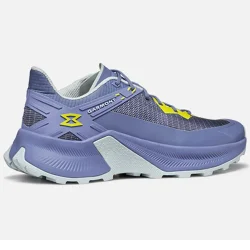
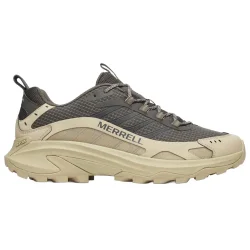
Today, approach shoes are widely used beyond climbing. Many manufacturers now design technical low-cut hiking shoes featuring stiff or semi-stiff soles, perfect for fast-paced hiking (fast-hiking). They also remain the absolute benchmark for
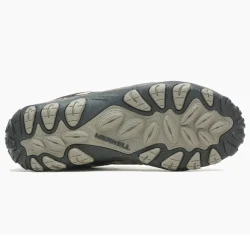
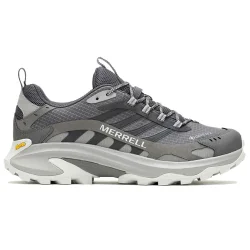
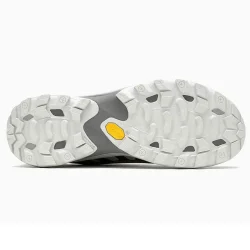
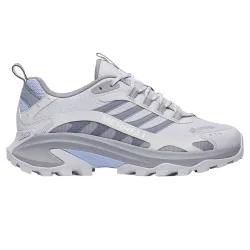
15 %
UK3.5 (36) | UK4 (36.5)
UK4.5 (37) | UK5 (38) | UK5.5 (38.5)
UK6 (39) | UK6.5 (40) | UK7.5 (41)
14 %
UK7 (40.5) | UK7.5 (41)
UK8 (42) | UK8.5 (42 1/2) | UK9 (43)
UK9.5 (44) | UK10 (44 1/2) | UK11 (46)
UK7 (40 2/3) | UK7.5 (41 1/3)
UK8 (42) | UK8.5 (42 2/3) | UK9 (43 1/3)
UK9.5 (44) | UK10 (44 2/3)
UK10.5 (45 1/3) | UK11 (46)
15 %
UK7 (40 2/3) | UK7.5 (41 1/3)
UK8 (42) | UK8.5 (42 2/3) | UK9.5 (44)
UK10.5 (45 1/3) | UK11 (46)
UK7.5 (41 1/2) | UK8 (42)
UK8.5 (42 1/2) | UK9 (43 1/3) | UK9.5 (44)
UK10 (44 1/2) | UK10.5 (45)
20 %
UK7 (41) | UK7.5 (41 1/2)
UK8 (42) | UK8.5 (42 1/2) | UK9 (43)
UK9.5 (44) | UK10 (44 1/2) | UK10.5 (45)
UK11 (46)
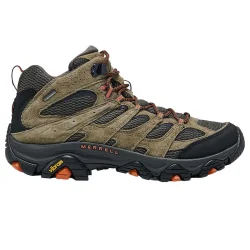
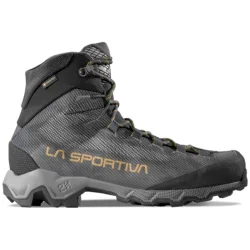
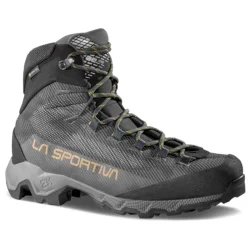
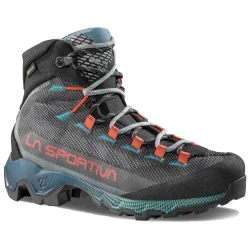
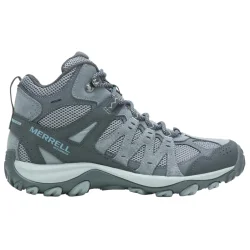
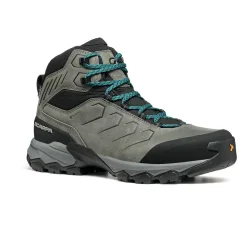
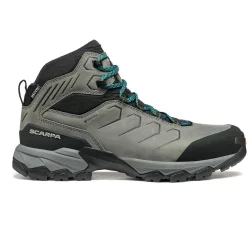
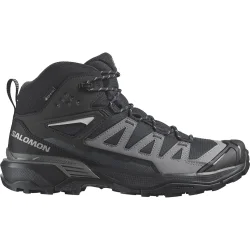
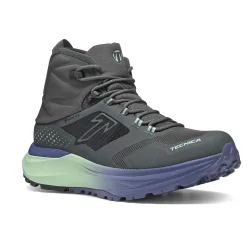
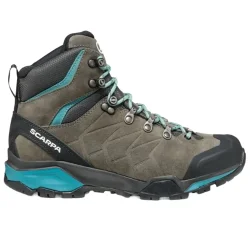
Mid-Cut Shoes
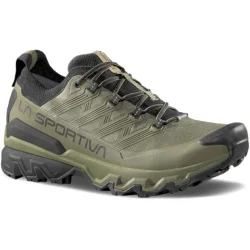
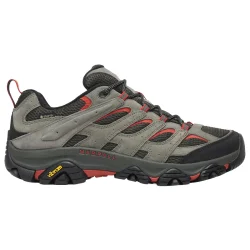
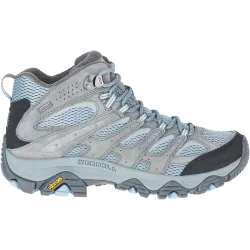
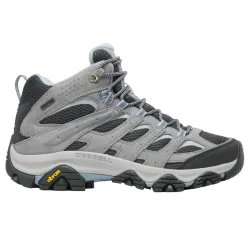
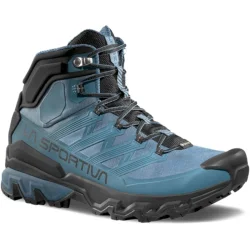
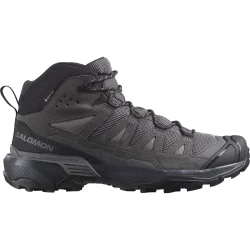
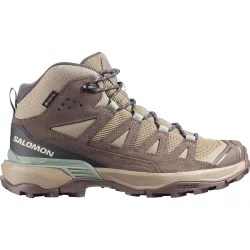
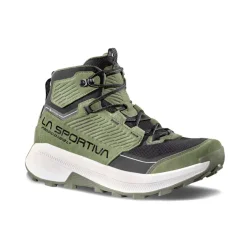
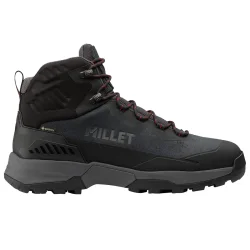
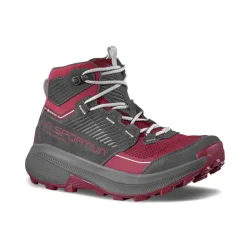
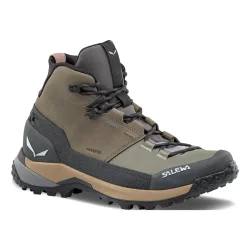
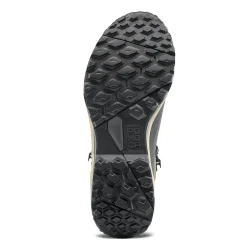
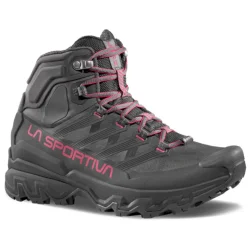
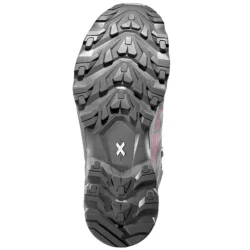
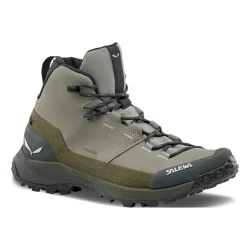
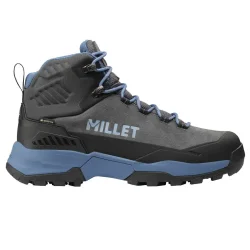
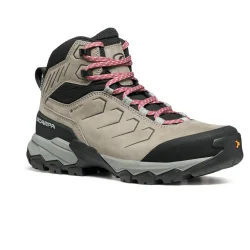
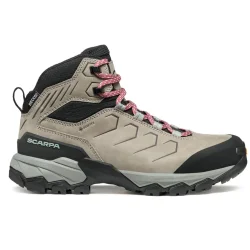
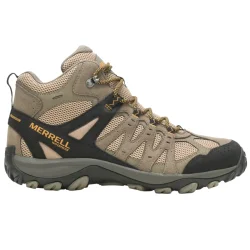
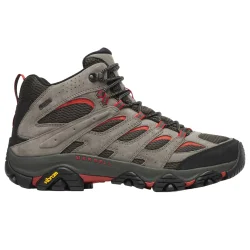
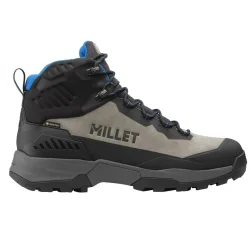
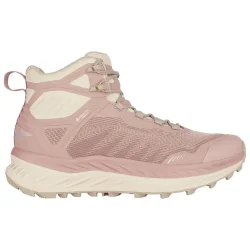
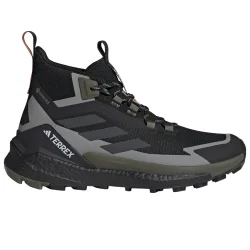
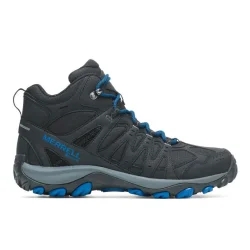
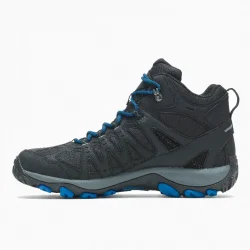
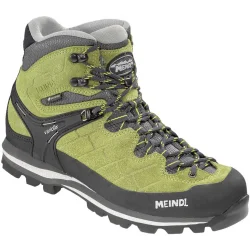
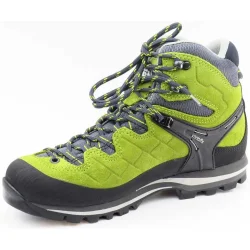
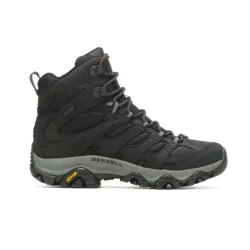
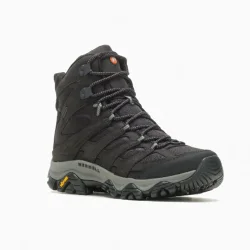
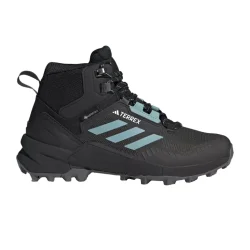
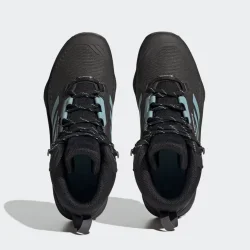
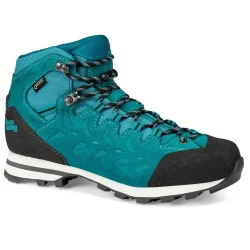
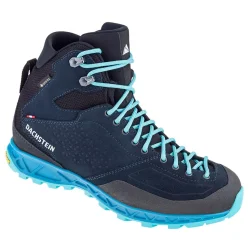
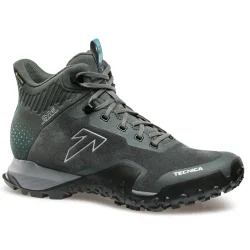
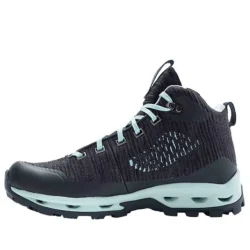
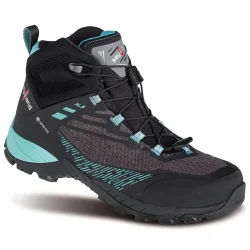
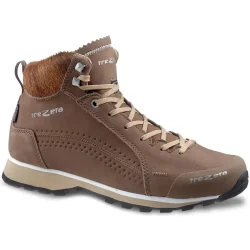
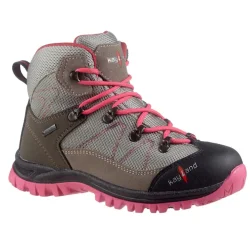
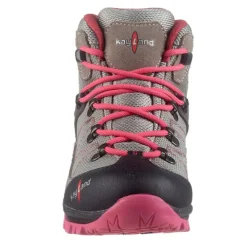
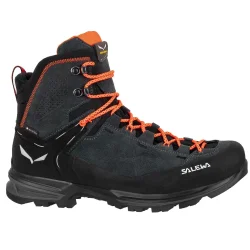
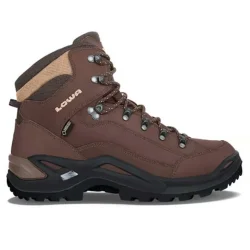
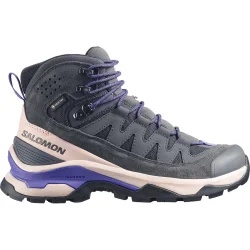
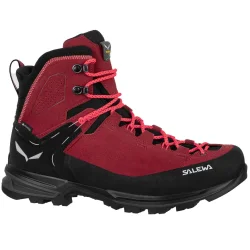
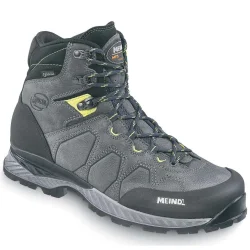
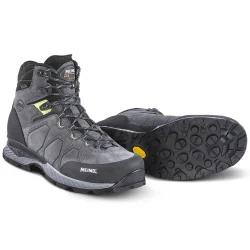
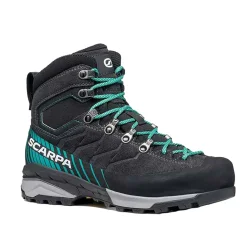
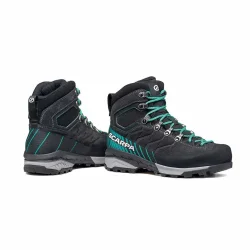
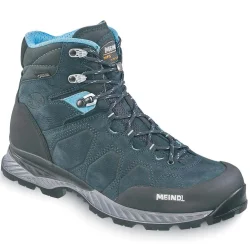
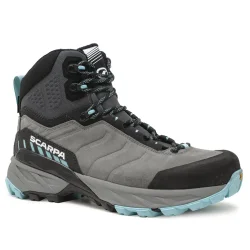
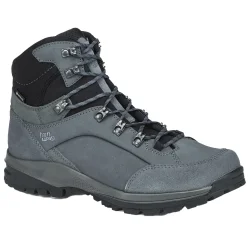
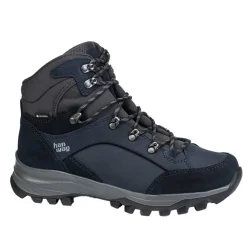
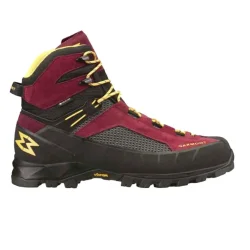
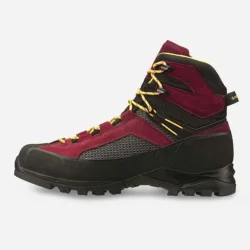
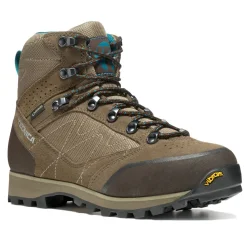
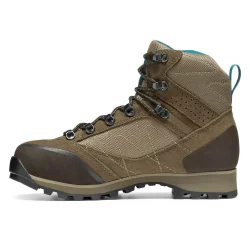
Stopping right at the ankle bone, mid-cut shoes offer the perfect balance between the lightness of a low-cut shoe and the support of a high-cut boot. This is the ideal option for most day hikers navigating varied terrain with a medium-weight pack.
30 %
UK3.5 (36) | UK4 (36.5)
UK4.5 (37) | UK5 (38) | UK5.5 (38.5)
UK6 (39) | UK7.5 (41)
25 %
UK3.5 (36) | UK4 (36 2/3)
UK4.5 (37 1/3) | UK5 (38) | UK6 (39 1/3)
UK6.5 (40) | UK7 (40 2/3) | UK7.5 (41 1/3)

UK8 (42) | UK8.5 (42 1/2)
UK9 (43) | UK9.5 (44) | UK10 (44 1/2)
UK10.5 (45) | UK11 (46)
UK4 (36.5) | UK4.5 (37)
UK5 (38) | UK5.5 (38.5) | UK6 (39)
UK6.5 (40) | UK7 (40.5) | UK7.5 (41)
UK4 (36.5) | UK4.5 (37)
UK5 (38) | UK5.5 (38.5) | UK6 (39)
UK6.5 (40) | UK7 (40.5) | UK7.5 (41)
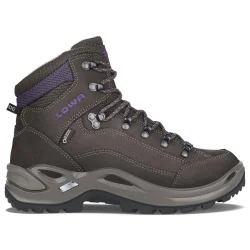
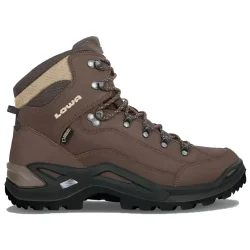
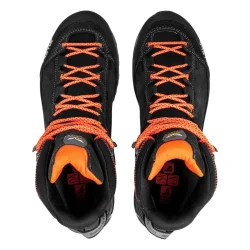
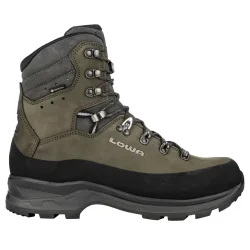
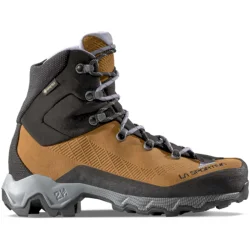
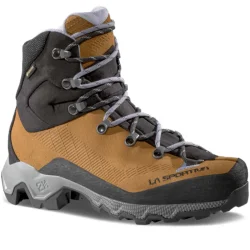
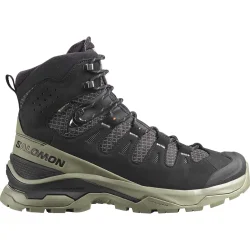
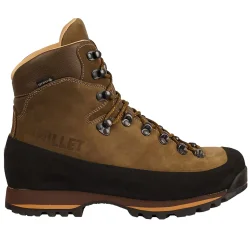
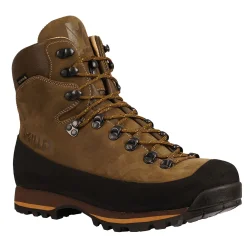
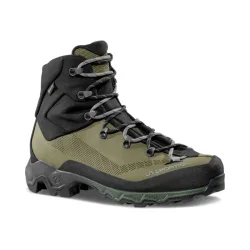
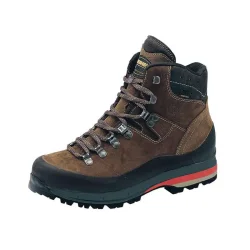
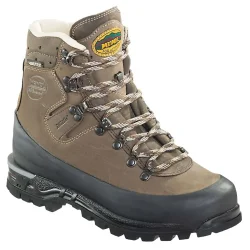
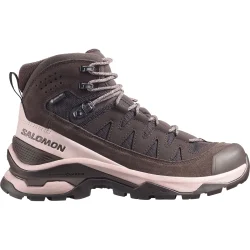
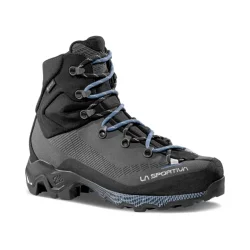
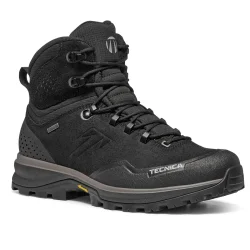
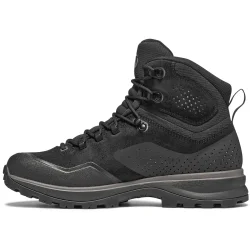
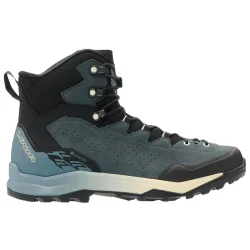
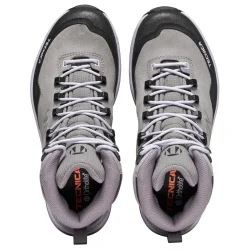
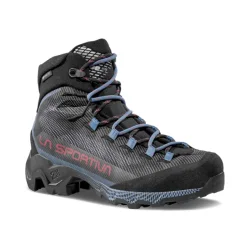
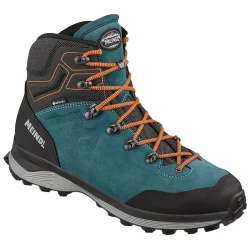
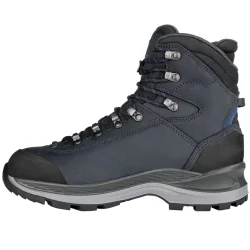
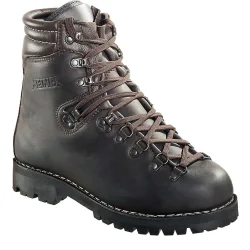
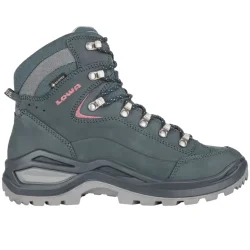
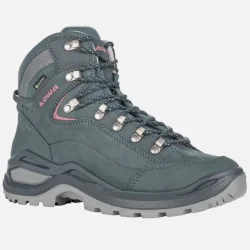
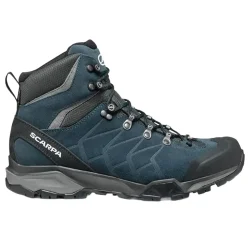
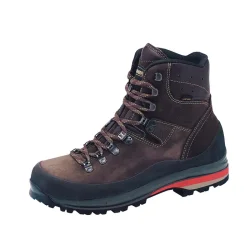
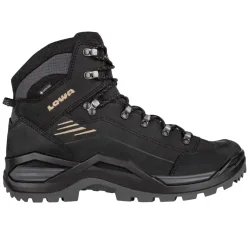
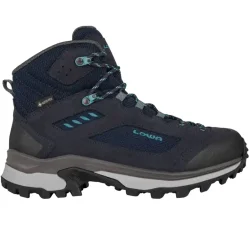
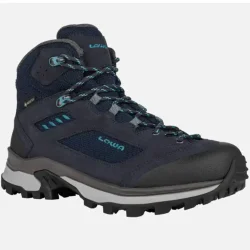
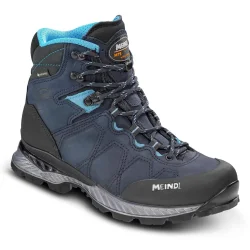
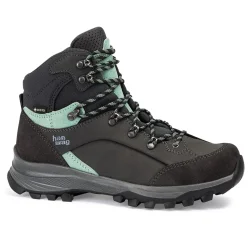
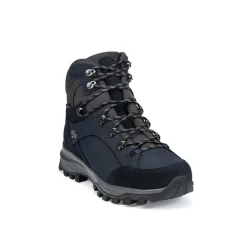
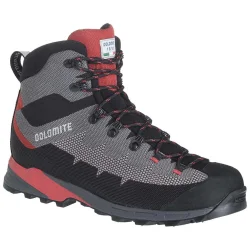
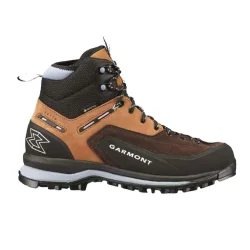
High-Cut Boots
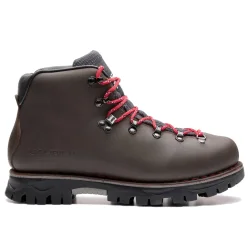
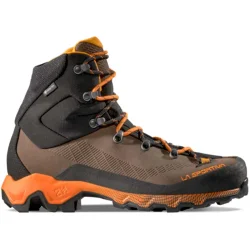
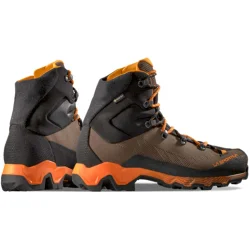
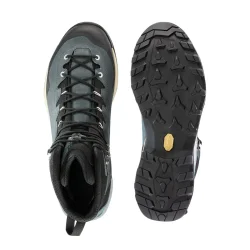
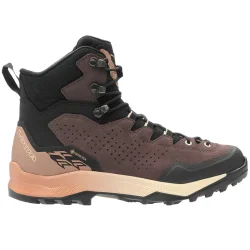
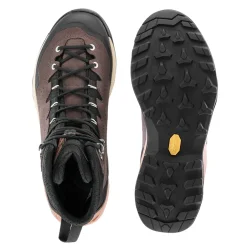
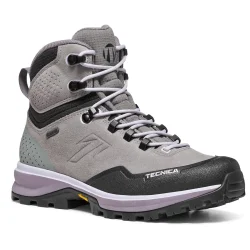
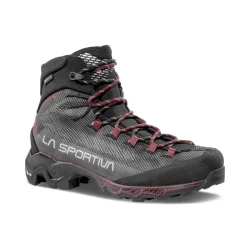
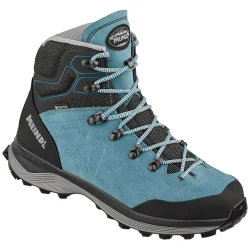
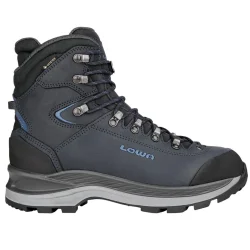
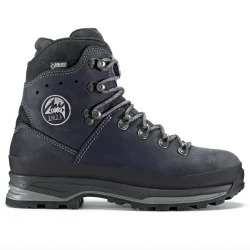
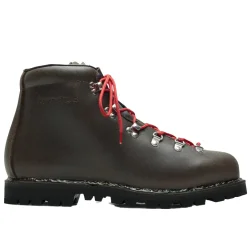
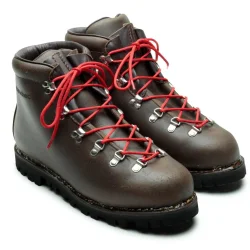
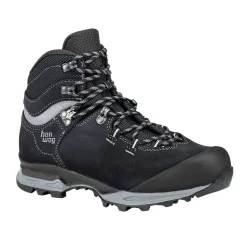
Recommended for trekking, high-mountain terrain, or multi-day backpacking trips with a heavy
20 %
UK3 (36) | UK3.5 (36 1/2)
UK4 (37) | UK4.5 (37 1/2) | UK5 (38)
UK5.5 (39) | UK6 (39 1/2) | UK6.5 (40)
UK7 (41) | UK7.5 (41 1/2) | UK8 (42)
25 %
UK7.5 (41) | UK8 (42)
UK8.5 (42 1/2) | UK9 (43) | UK9.5 (44)
UK10 (44 1/2) | UK10.5 (45) | UK11 (46)
UK12 (47)
20 %
UK8 (42) | UK8.5 (42 1/2)
UK9 (43.5) | UK9.5 (44) | UK10 (44 1/2)
UK10.5 (45) | UK11 (46)
20 %
UK6.5 (40) | UK7 (40 2/3)
UK7.5 (41 1/3) | UK8 (42) | UK8.5 (42 2/3)
UK9 (43 1/3) | UK9.5 (44) | UK10 (44 2/3)
UK10.5 (45 1/3) | UK11 (46) | UK11.5 (46 2/3)
10 %
UK3.5 (36 1/2) | UK4 (37)
UK4.5 (37 1/2) | UK5 (38) | UK6 (39 1/2)
UK6.5 (40) | UK7 (41)
40 %
UK7.5 (41 1/2) | UK8 (42)
UK8.5 (42 1/2) | UK9.5 (44) | UK10 (44 1/2)
UK11 (45 2/3)
15 %
UK7.5 (41 1/2) | UK8 (42)
UK9 (43.5) | UK9.5 (44) | UK10 (44 1/2)
UK10.5 (45) | UK11 (46)
40 %
UK3.5 (36) | UK4 (36 2/3)
UK4.5 (37 1/2) | UK5 (38) | UK5.5 (38 2/3)
UK6 (39 1/2) | UK6.5 (40) | UK7 (40 2/3)
UK7.5 (41 1/2)
15 %
UK4 (37) | UK4.5 (37 1/2)
UK5 (38) | UK5.5 (39) | UK6 (39 1/2)
UK6.5 (40) | UK7 (41)
15 %
UK14 | UK7.5 (41 1/2) | UK8 (42)
UK8.5 (42 1/2) | UK9 (43.5) | UK9.5 (44)
UK10 (44 1/2) | UK11.5 (46 1/2) | UK12 (47)
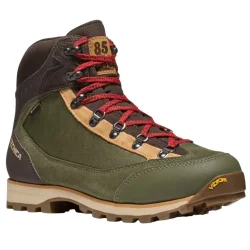
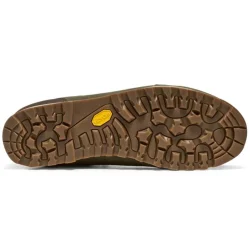
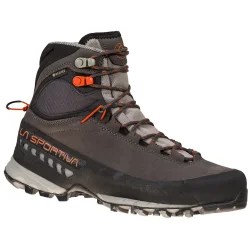
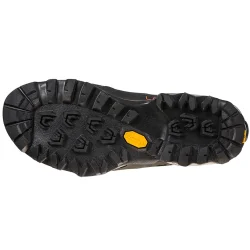
2. The Outsole: Grip, Cushioning, and Rigidity
The outsole plays a critical role in trail safety:
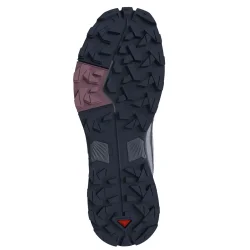
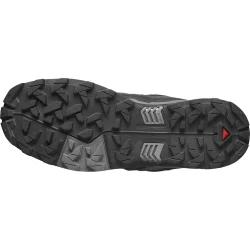
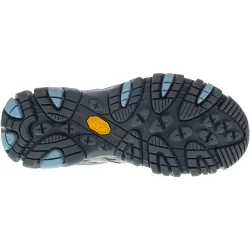
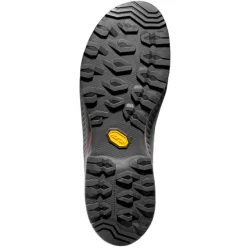
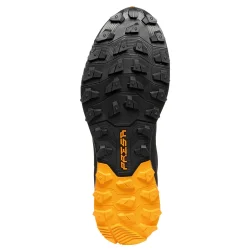
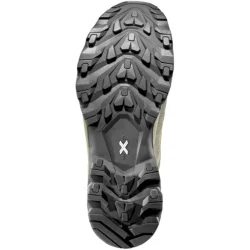
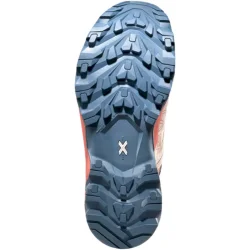
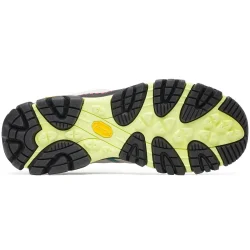
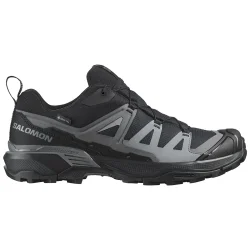
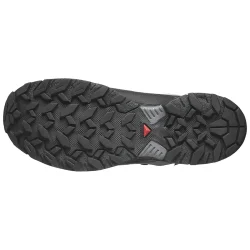
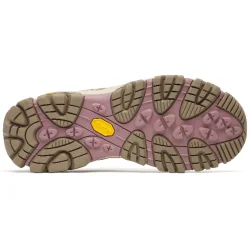
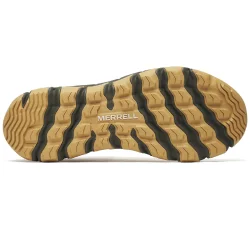
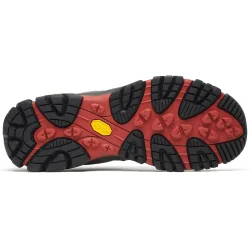
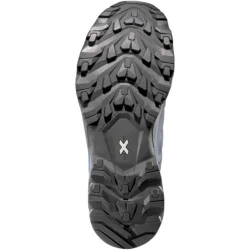
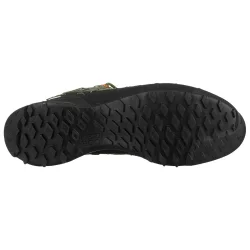
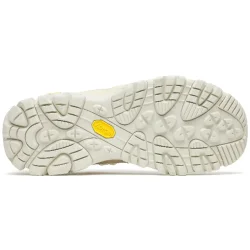
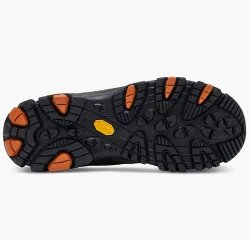
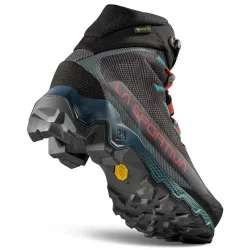
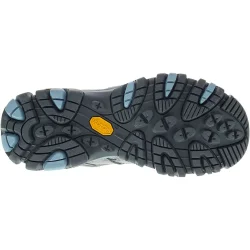
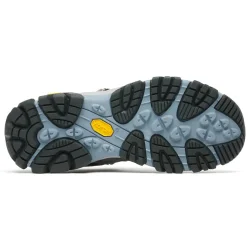
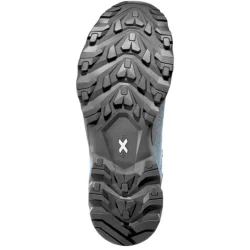
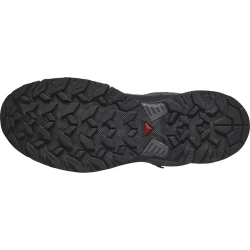
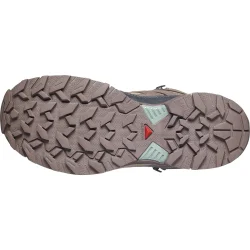
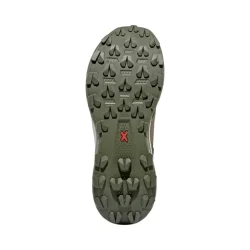
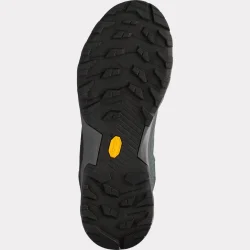
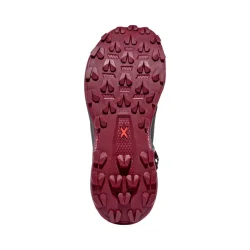
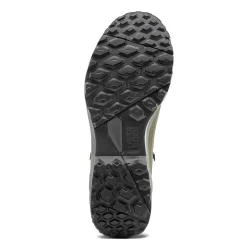
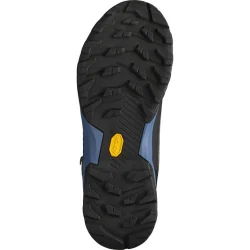
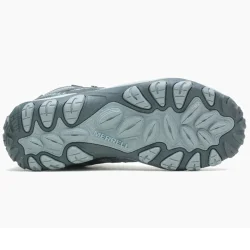
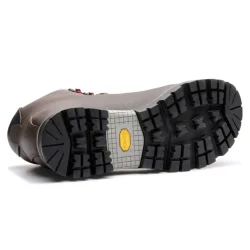
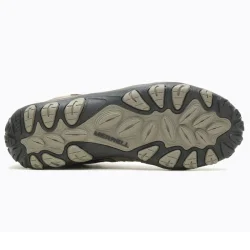
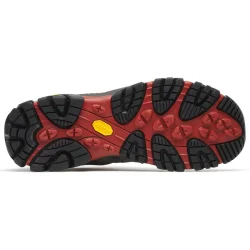
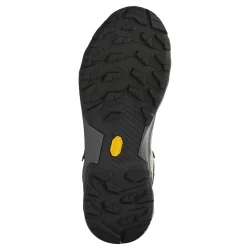
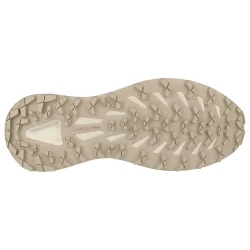
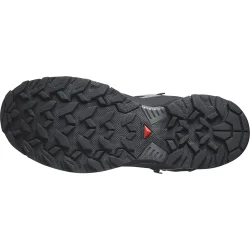
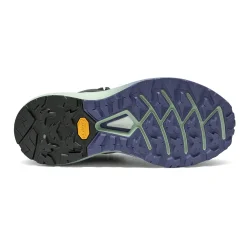
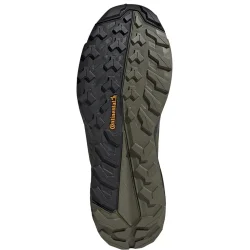
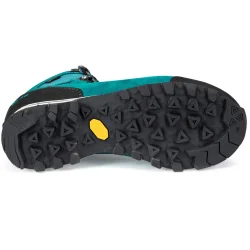
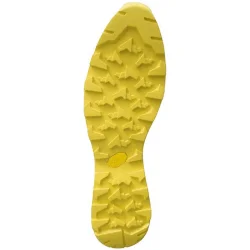
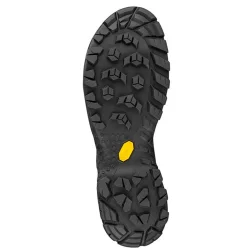
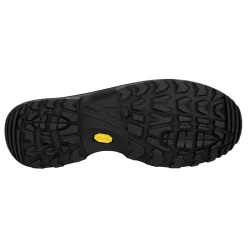
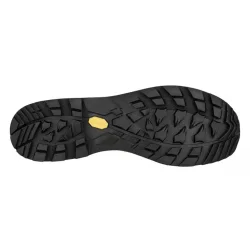
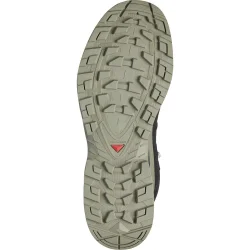
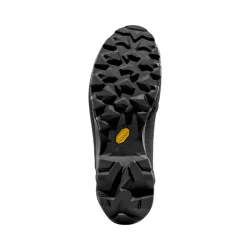
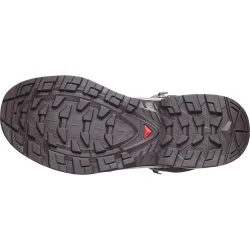
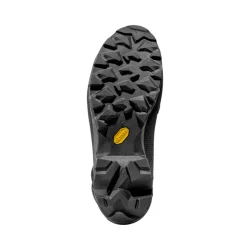
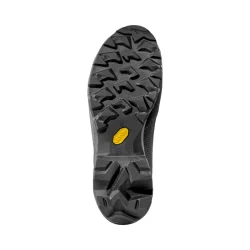
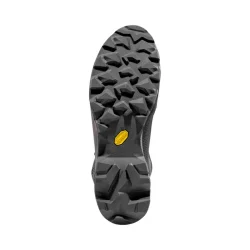
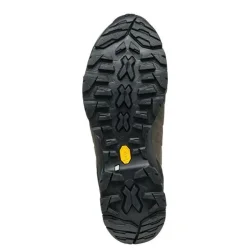
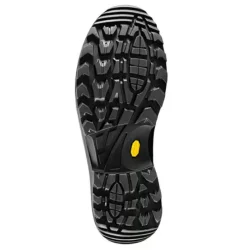
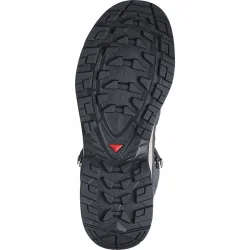
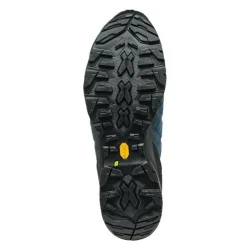
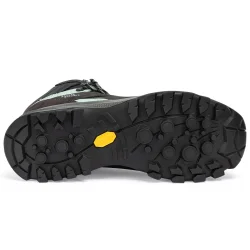
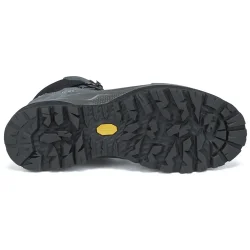
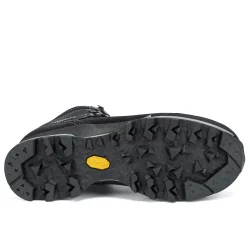
Grip and Traction: Opt for proven rubber compounds (such as Vibram or Contagrip) featuring deep lugs to shed mud and stick to slick rock.
Rigidity: A flexible sole suits flat terrain (encouraging a natural foot roll). A stiffer sole protects your feet from fatigue on rocky, unstable ground.
Rands: Essential in mountain environments, these rubber reinforcements protect the front (and sometimes the entire perimeter) of the shoe from abrasion.
3. Waterproofing and Breathability: Do You Need a Gore-Tex Membrane?
Footwear equipped with a waterproof-breathable membrane (like
4. How to Properly Try On Hiking Shoes
To prevent blisters and pain on downhill sections, keep these simple rules in mind:
Size up by half to a full size: feet swell during exertion and extended walking. Your toes should never hit the front of the shoe when going downhill.
Try them on at the end of the day: this is when your feet are naturally at their largest volume.
Wear your
hiking socks
Looking for personalized advice? Explore our full range of
at Montaz.com, or stop by our men's and women's hiking shoes near Chambéry to get fitted by our mountain experts! outdoor store in La Ravoire