
 fr
frHow to Choose Your Skis: Follow the Guide!
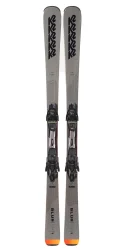
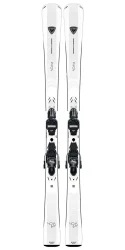
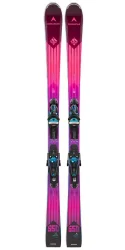
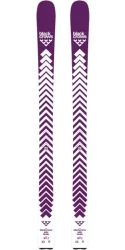
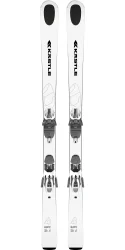
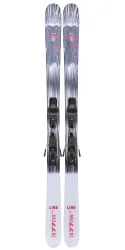
Are you lost in the avalanche of ski models and unsure how to choose your downhill or touring skis? Don't panic! At MONTAZ, we are here to help you see things more clearly. Thanks to our expert advice, you will find the perfect skis for men, women, and children, as well as the right ski bindings tailored to your style, level, and morphology.
Downhill
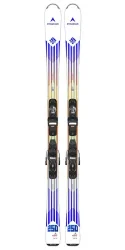
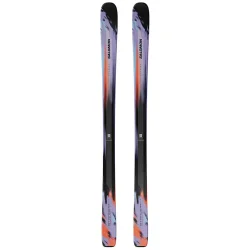
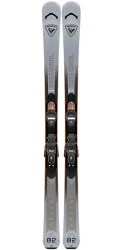
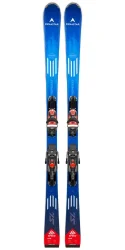
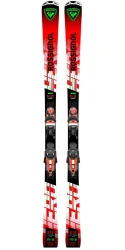
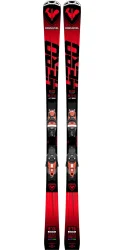
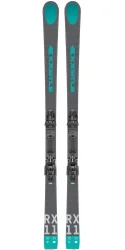
Groomed-slope skiing requires specific gear, especially when it comes to grip and maneuverability on hardpack snow. Opt for relatively short and narrow skis, with a waist width between 60 and 80 mm. Beginners: Prefer shorter skis and a tighter turn radius (under 15 m) for easier handling.
Advanced: For wide carving turns and high-speed stability, choose a radius between 15 and 20 m and a length close to your own height.
All-Mountain
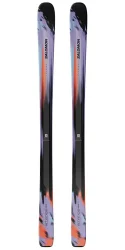
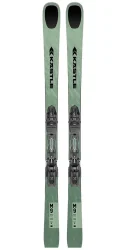
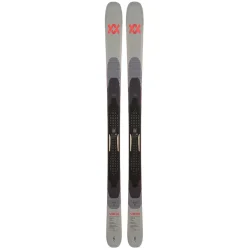
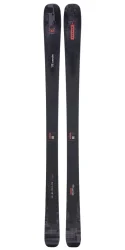
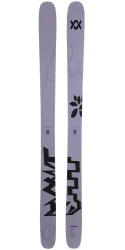
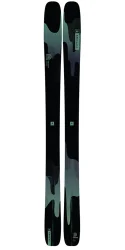
All-Mountain skis are the perfect companion for skiers who want a single pair to do it all: groomed tracks, slope-sides, and even a bit of powder. These versatile skis feature:
A waist width between 80 and 99 mm.
A more pronounced rocker for floatation and comfort in all snow conditions.
At MONTAZ, we often compare it to an SUV—basically an all-terrain ski! It is designed for male or female skiers who want a single pair of skis to have fun across the entire map of their favorite ski resort.
Freeride & backcountry
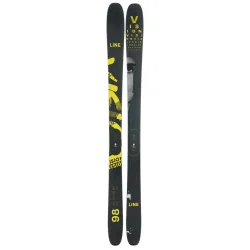
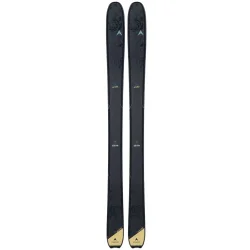
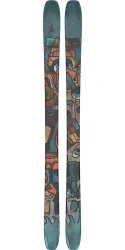
Freeride skis are designed for powder hounds and off-piste skiers! They feature a waist width of over 100 mm and one or more rockers (raised tip and tail), which are generally more pronounced. The goal is clear: to provide maximum floatation and maneuverability in deep powder for freeride skiing!
Freestyle
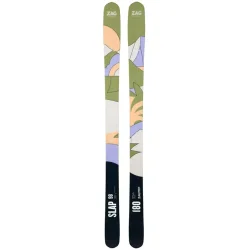
Freestyle skis are lightweight, maneuverable, and robust enough to handle heavy landings from snowpark jumps. Thanks to their twin-tip design, you can ride seamlessly both forward and switch, allowing you to link tricks together with total confidence in the park.
Touring Skis & Freerando
For fans of climbing skins and beautiful descents, alpine touring skis focus on lightness and versatility! Alpine touring requires lightweight gear to make your ascents easier. Therefore, these skis feature a lightweight construction and a profile that varies according to your goals, typically oscillating between 75 and 95 mm in waist width.
Beyond that width, they are called Freerando skis. These are intended for skiers who prioritize deep snow floatation on the descent, even if it means their thighs burn a bit more on the way up due to the extra weight! A pair of freerando skis shares common traits with freeride skis, notably a front rocker to maximize fun in deep powder.
Safety Note: To explore the mountains with peace of mind and safety, don't forget your touring/freerando boots, climbing skins, as well as your avalanche transceiver (beacon), shovel, probe, and airbag backpack.
Choosing your skis : According to your level and morphology
he choice of your skis depends not only on your technical level but also on your height, weight, and physical fitness.
Beginner to Intermediate
Choose short, forgiving skis, up to 15 cm shorter than your height.
Prioritize flex and lightweight designs for easier maneuverability.
Mini-skis (around 120 cm) can be a fun option for learning.
Advanced to Expert
Opt for a length close to your actual height.
Stiff and stable skis (featuring titanium reinforcements) are ideal for committed charging on piste or all-mountain terrain.
If you love freestyle or off-piste, a more playful and forgiving ski will be perfect.
Women's skis are specifically designed to offer more lightness and maneuverability.
Skiers over 90 kg or tall skiers should choose stiffer and longer skis for better support.
Children have their own models tailored to their morphology and learning pace.
What Ski Length to Choose?
To choose your skis based on your practice and level, you can refer to the table below.
Keep in mind: The shorter the ski, the more maneuverable it is; the longer the ski, the more stable it is at high speeds.
How to Choose the Right Ski Bindings?
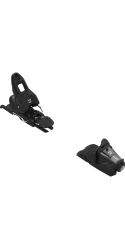
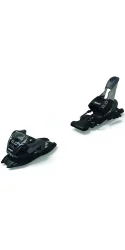
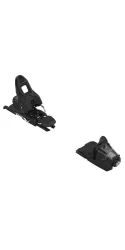
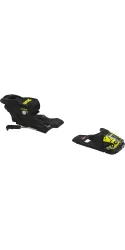
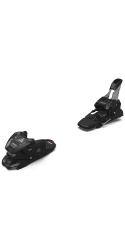
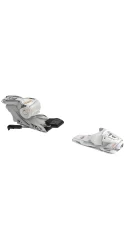
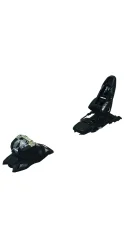
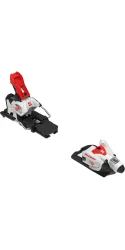
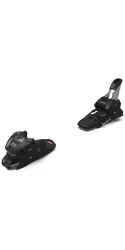
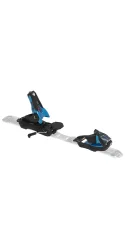
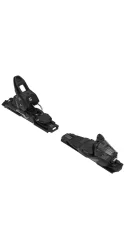
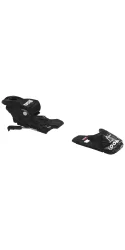
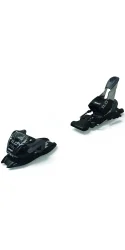
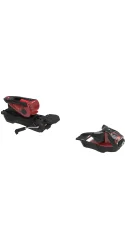
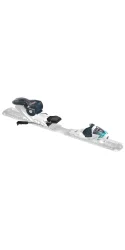
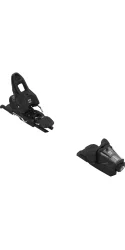
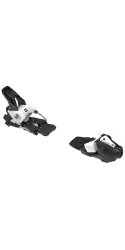
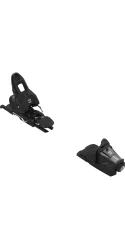
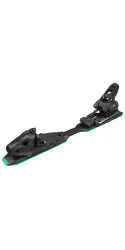
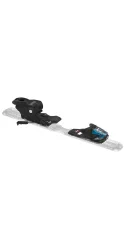
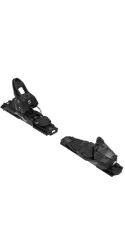
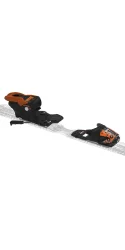
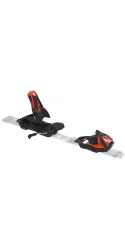
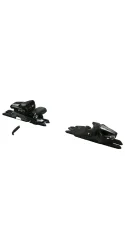
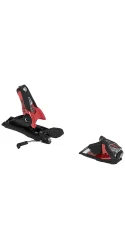
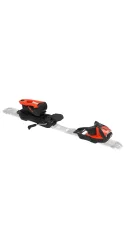
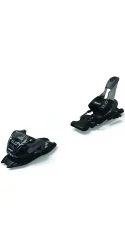
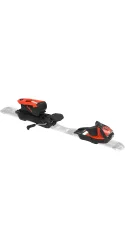
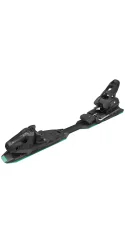
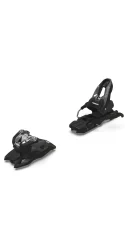
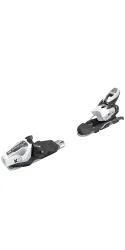
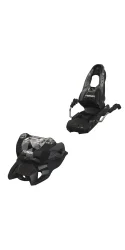
Choosing a ski binding adapted to your level and morphology is paramount to enjoying your time safely on or off the slopes. Bindings are crucial for your safety and performance. They consist of a toe piece and a heel piece, featuring an adjustable release system (DIN rating).
What DIN Rating to Choose?
To put it simply, the DIN rating indicates the compression value of the internal springs: the higher the rating (meaning the more compressed the spring), the harder it will be for the binding to release. This value must be chosen based on the skier's level, weight, and physical condition:
Beginner / Intermediate: 3 to 9 DIN
Advanced to Expert: 8 to 18 DIN
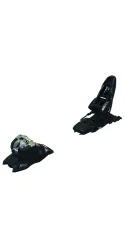
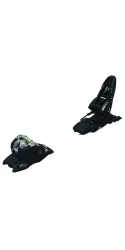
Example: A 50 kg female beginner or a lightweight advanced skier can choose a binding with a maximum DIN rating of 11, such as the Marker Squire 11. Conversely, an advanced to expert skier over 80 kg can look directly at more robust ski bindings with a maximum DIN of 13 or higher, like the Marker Griffon 13.
Finally, bindings also depend on the type of skiing you do. Expert skiers who love Freestyle or Backcountry can opt for highly high-performance bindings like the Look Pivot 18.
What Brake Width to Choose?
Ski brakes must be equal to or slightly wider than the waist width of your skis. Example: For 90 mm wide skis, choose a 90-95 mm brake.
Good to know: Binding mounting and adjustment are free at MONTAZ when you purchase a ski + binding pack! Please note that these are general guidelines. Your bindings must absolutely be adjusted by professionals, such as our specialists at the MONTAZ workshop.
Find all models for different types of skiing from the biggest brands on Montaz.com and make your choice among top brands: ARMADA, ATOMIC, BLACK-CROWS, BLIZZARD, DYNASTAR, EXTREM, FACTION, FISCHER, HEAD, K2, LINE, ROSSIGNOL, ROXY, SALOMON, SCOTT, VOLKL, ZAG!