



 fr
frOur guide and tips for choosing the right wetsuit
Why is it necessary to wear a wetsuit?
Whatever your water sports practice (surfing, wakeboarding, kitesurfing, bodyboarding, windsurfing, foiling, etc.), neoprene wetsuits will
Choosing a wetsuit is not easy. Here are the main questions to ask yourself to
Which sport will you be practicing?
What will the water temperature be and/or in which season?
How long do your water sessions last?
Criteria for choosing your neoprene wetsuit:
1. Which wetsuit cut should you choose?
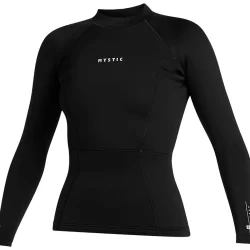
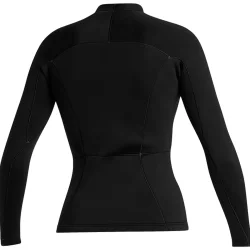
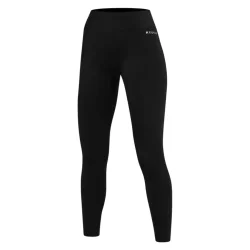
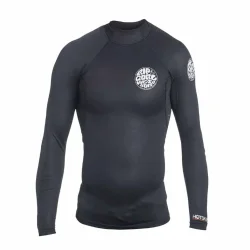
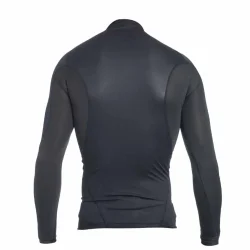
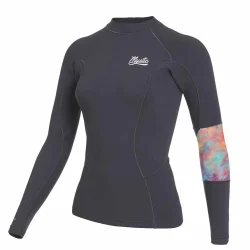
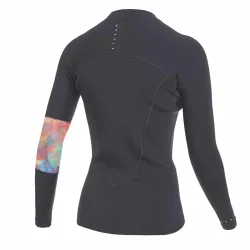
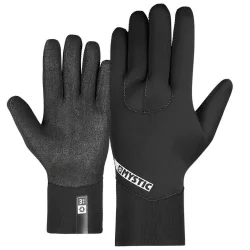
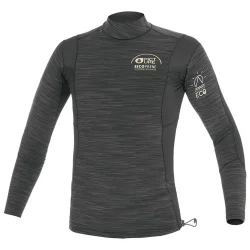
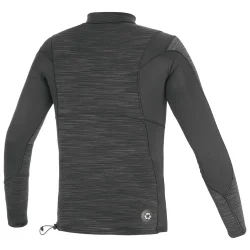
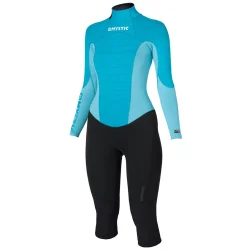
Wetsuit Tops and Bottoms - Neoprene tops with long or short sleeves, practical to wear over a swimsuit.
This format is also available as a neoprene jacket and wetsuit pants.
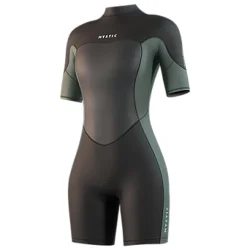
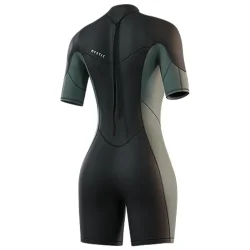
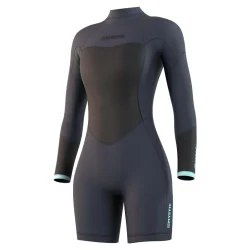
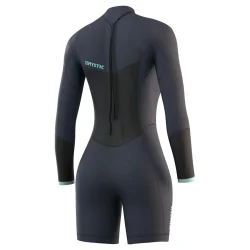
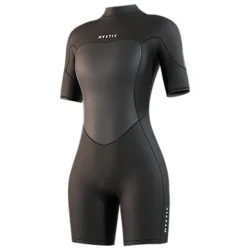
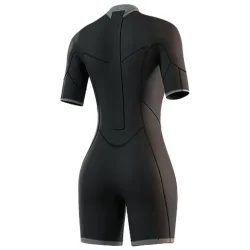
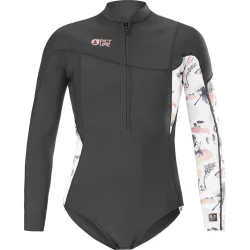
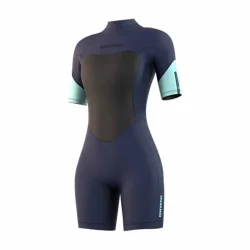
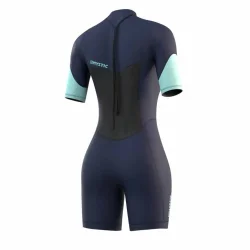
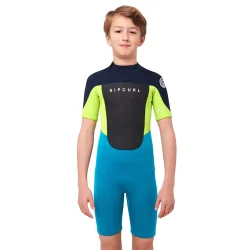
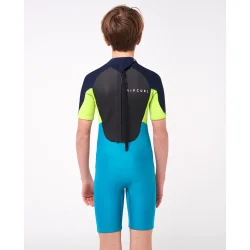
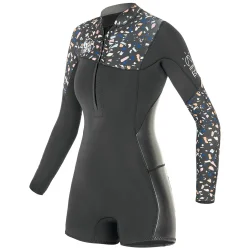
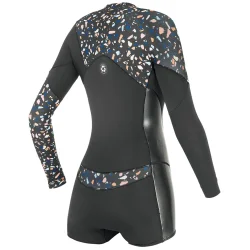
Shorty
This type of wetsuit features short sleeves and short legs.
It’s the
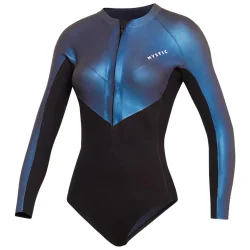
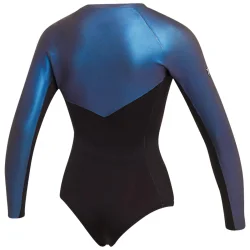
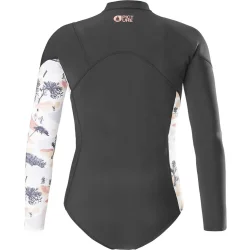
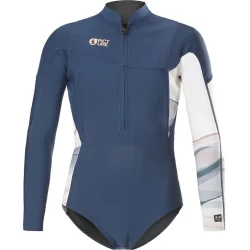
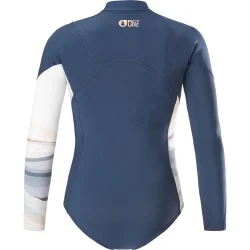
ideal choice for summer !There is a variation called the "shorty shorty": a one-piece suit with a swimsuit cut for the bottom and long sleeves.
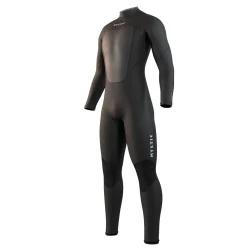
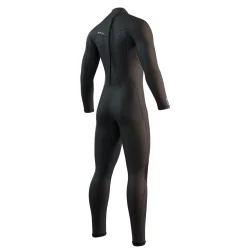
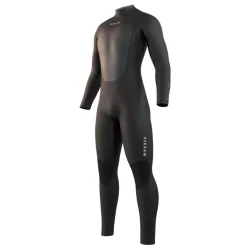
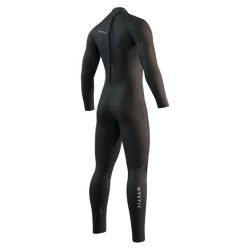
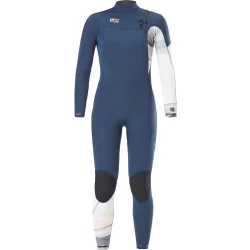
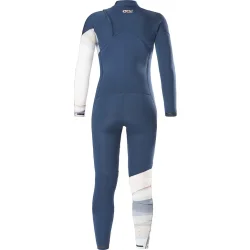
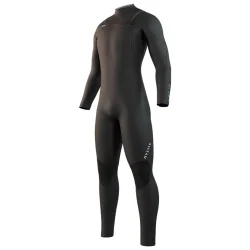
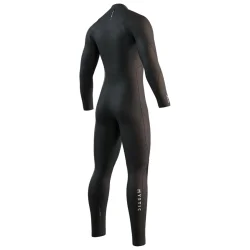
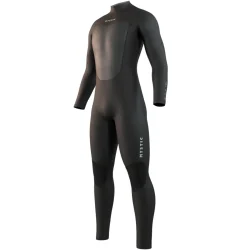
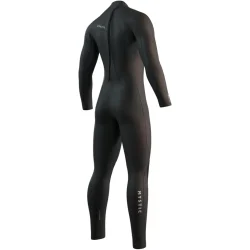
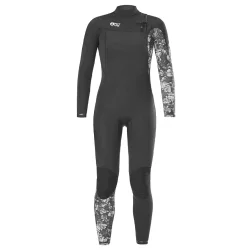
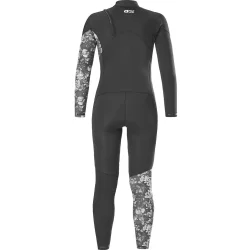
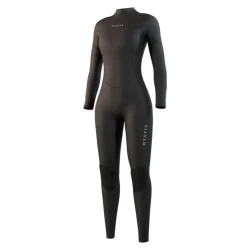
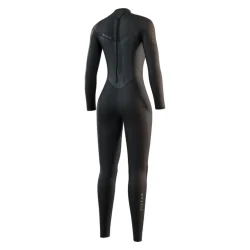
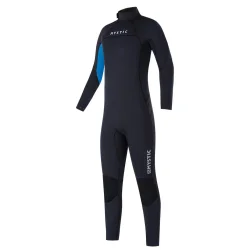
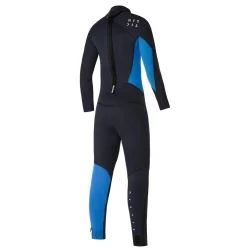
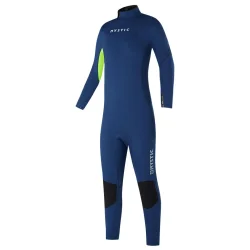
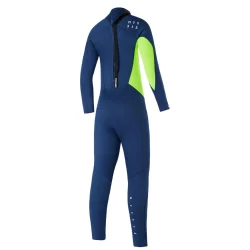
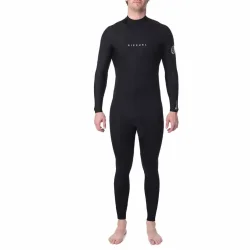
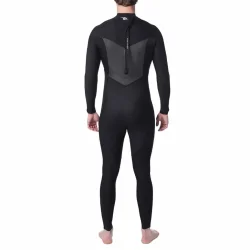
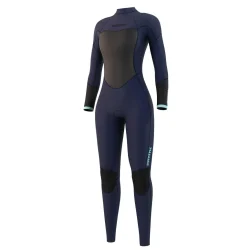
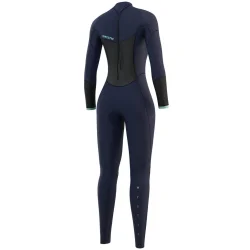
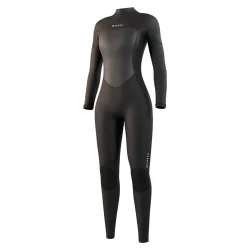
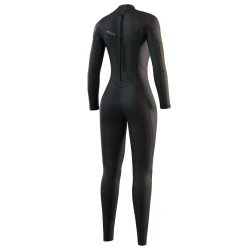
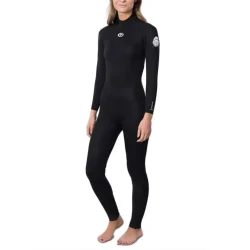
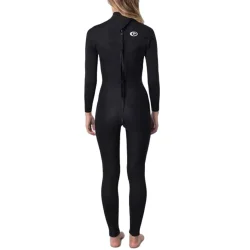
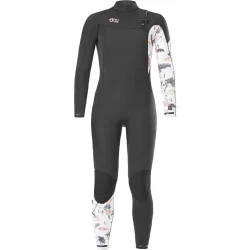
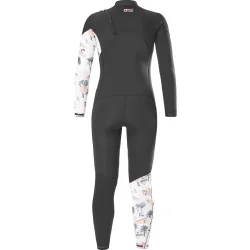
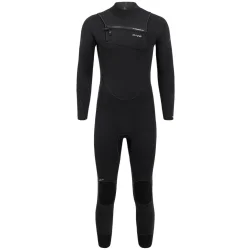
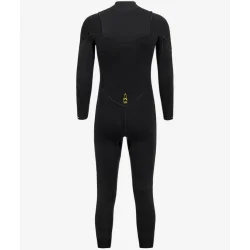
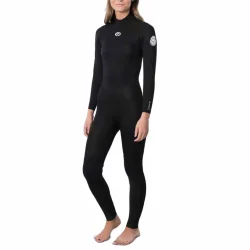
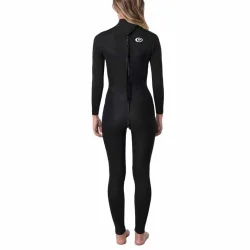
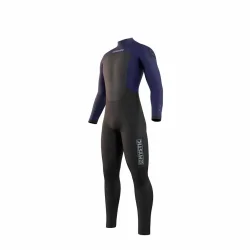
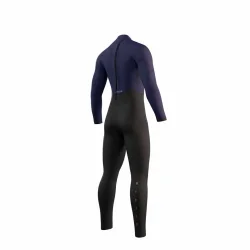
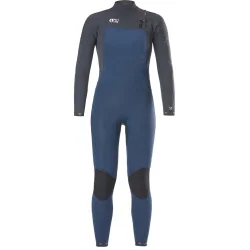
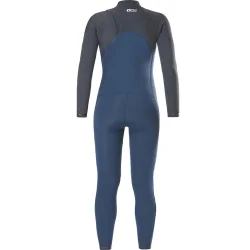
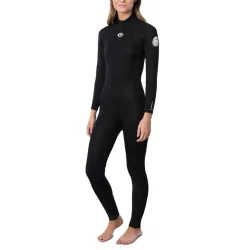
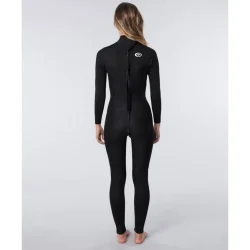
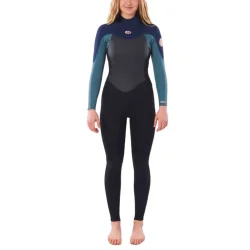
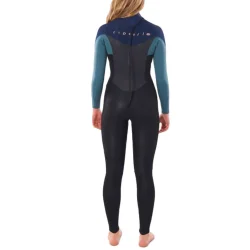
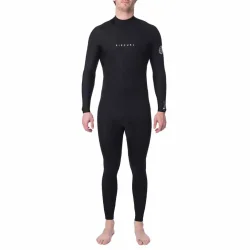
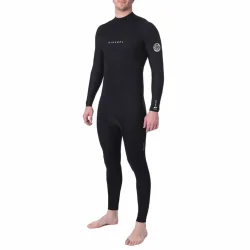
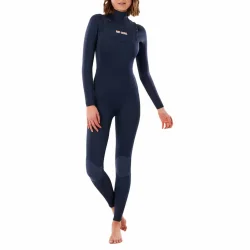
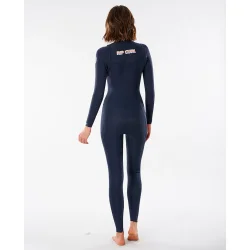
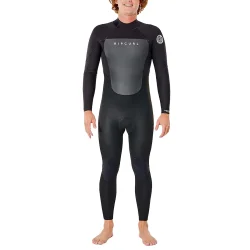
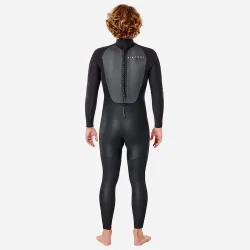
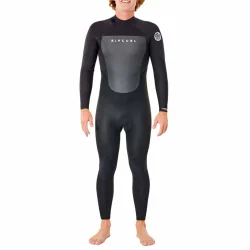
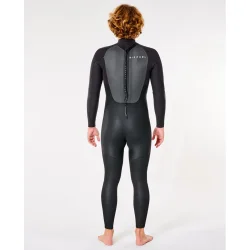
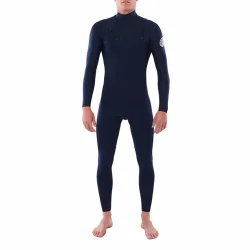
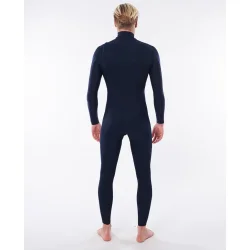
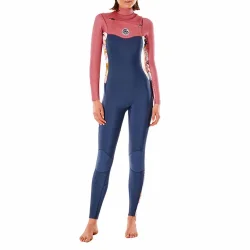
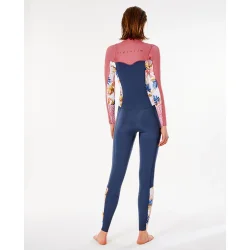
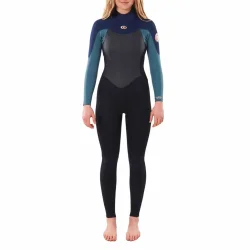
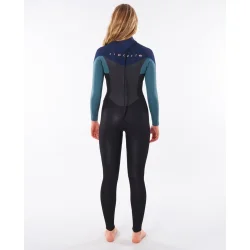
Full Wetsuits (Long Sleeves) - A full-body model with long sleeves and long legs.
Suitable for all seasons.
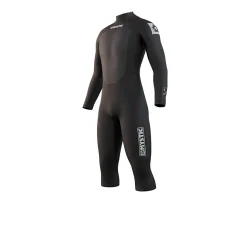
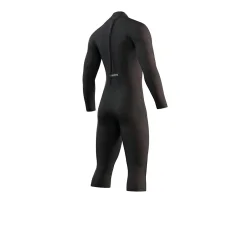
Full Wetsuits (Short Sleeves) - Models with short sleeves and long legs.
Intended for use in relatively warm waters.

2. What wetsuit thickness should you choose?
The thickness depends primarily on the water temperature. It is measured in millimeters, usually noted as 3/2mm, 5/4mm, etc. The first number refers to the torso thickness, and the second to the limbs (arms and legs) to allow for better movement.
Water 22°C (72°F) or warmer
2/2 mm: consistent 2mm thickness.
Pros: Very flexible and thin neoprene. Protects from UV rays without overheating.
Cuts: Shorty or Lycra.
Between 18°C and 22°C (64-72°F)
3/2 mm: 3mm on the torso/back and 2mm on the limbs.
Pros: Great balance between warmth and freedom of movement. Versatile (surf, wake, kite).
Cuts:
Shorty or 3/2mm Full Suit.
Between 14°C and 18°C (57-64°F)
4/3 mm: 4mm torso and 3mm limbs.
Pros: Ideal for long sessions; good insulation without sacrificing flexibility.
Cut: Full Suit.
Between 10°C and 14°C (50-57°F)
5/3 mm: 5mm torso and 3mm limbs.
Pros: Perfect for cold water and winter sessions. Excellent insulation.
Between 7°C and 10°C (45-50°F)
5/4 mm: 5mm torso and 4mm limbs.
Pros: Ideal for very cold winter waters. Often compatible with hoods, gloves, and booties.
Water 7°C (45°F) and below
6/5/4 mm: 6mm torso, 5mm legs, 4mm arms.
Pros: Maximum protection against icy water. The thickest and warmest
neoprene wetsuit available.
3. Understanding Seam Types
Seams are essential for waterproofness and durability.
Basic Seams: Classic thick stitching; durable but less flexible.
Flatlock Seams: Best for warm water; allows slight water infiltration but is ultra-resistant and flexible.
GBS Seams (Glued & Blind Stitched): Excellent waterproofness for cold water while remaining flexible.
4. Materials and Technology
Classic Neoprene: Petroleum-based; versatile and stretchy but the least eco-friendly.
Limestone: Made from calcium carbonate/sandstone. Lighter, more flexible, and more durable. An eco-friendly alternative.
Eco Carbon Black: Made from recycled tires. Very warm, though slightly less stretchy.
EicoPrene: A technology using 80% limestone and 20% recycled tires. High performance and sustainable. Brands like
Picture Organic offer ultra-high-performance eco-designed suits.
5. Entry Systems (Zips)
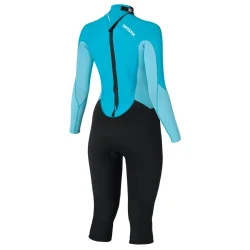
Back-zip: Easiest to put on; recommended for beginners. Slightly more rigid.
Front-zip (Chest-zip): Better waterproofness and freedom of movement; slightly trickier to put on alone.
Zip-free: Ultra-waterproof and flexible; best for experienced users.
6. Reinforcements and Protection
Look for pads on knees, shins, or elbows to
7. Inner Lining
Partial lining (Torso/Back): For mid-range cold water (12-17°C).
Full lining: Essential for water below 12°C to maximize heat retention.
8. What budget should you plan for?
Entry-level (Under €200): Perfect for beginners looking for effective protection.
Mid-range (€200 - €390): Elaborate
neoprene suits for regular use. A balance of comfort and longevity.Premium (€390+): High-tech materials, maximum flexibility, and warmth for extreme conditions.
9. How to choose the right size?
A wetsuit must fit like a second skin, with no folds or chafing. Check the specific size charts for our brands like
FAQ: Common Questions
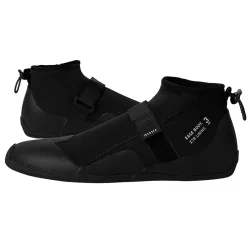
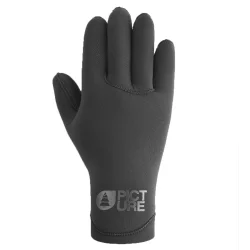
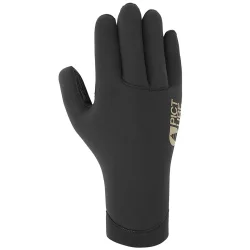
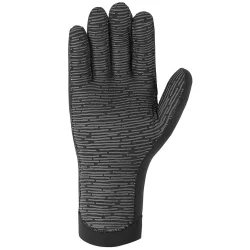
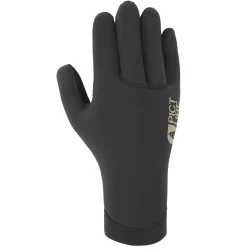
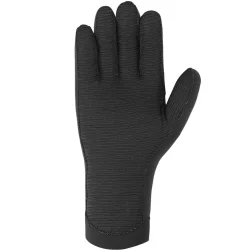
What accessories do I need? For cold water, consider adding a hood, gloves, or booties.
How do I maintain my wetsuit? Rinse with fresh cold water after every session. Dry it flat in the shade (avoid hangers to prevent stretching). Worden's Tip: Rinse the zipper well to prevent salt damage.
Is a wetsuit waterproof? Not 100%. A thin layer of water enters and is warmed by your body, creating a thermal barrier. Only thick, lined suits are truly waterproof.
Can I use it for Triathlon? No. Triathlon suits are much thinner and smoother for swimming. Surf suits are more rugged and designed for paddling.
Does the sport matter? Yes. Surfers need shoulder flexibility, while kiters and windsurfers need wind protection. Wakeboarders benefit from extra impact reinforcement.