

 fr
fr8 Tips for Choosing the Right Hiking Backpack
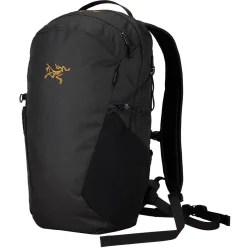
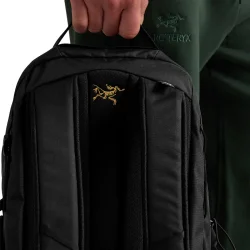
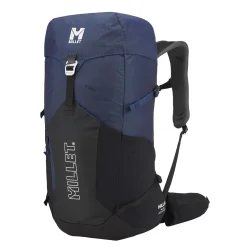
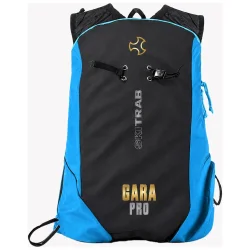
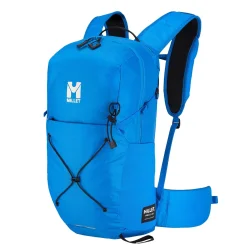
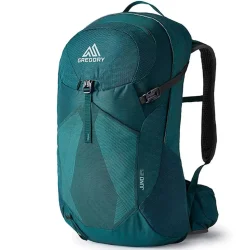
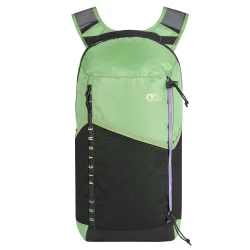
Discover 8 tips from our hiking specialists to help you choose the perfect backpacking gear! When hiking, selecting the right backpack is essential to prevent discomfort and pain during your mountain outings.
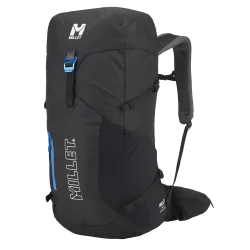
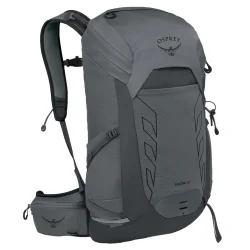
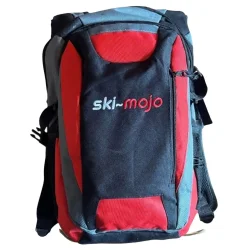
1. Choose the Volume (Capacity) of Your Hiking Backpack
ot sure how to choose the right volume (capacity) for your hiking pack? First, you need to determine the primary duration of your trips. Will you mostly use it for:
Half-day trips: For short walks or hikes.
Full-day trips: For medium to long hikes.
Multi-day treks: 1 to 3 days, 4 to 6 days, 7+ days, or travel.
Next, determine your level of self-sufficiency:
Fully self-sufficient (Fully autonomous): Your pack must fit all your gear: tent, sleeping bag, sleeping pad, snacks, and food for the entire adventure!
Occasional resupplies: Similar to being fully self-sufficient, but you can carry less food weight.
Nights and meals in huts or hostels: Your pack will be significantly lighter, carrying only your daytime essentials.
Finally, list all the gear you plan to bring with you!
Note: Take into account the weather conditions, season, and altitude you will be encountering. This will help you estimate the volume needed for the extra clothing and gear required to handle cold or wet conditions. Based on your intended use and the load you need to carry, you can compare the technical features of different backpacks to find the one that best meets your needs.
Recommended Volume Based on Duration and Gear
| Hike Duration | Recommended Volume | Notes / Autonomy Level |
| Half-day | 10 to 15 L | Short walks and light gear |
| 1 Day | 15 to 25 L | Medium to long day hikes |
| 1 to 3 Days | 25 to 40 L | Weekend treks / Hut-to-hut |
| 4 to 7 Days | 40 to 70 L | Partial autonomy: 40 to 65 L Full autonomy: 55 to 70 L |
| Long Treks & Travel (7+ nights) | 60 L and up | Extended expeditions |
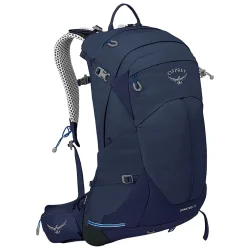
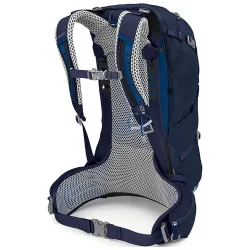
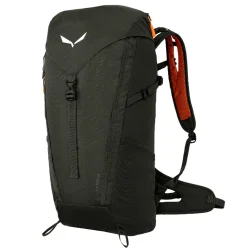
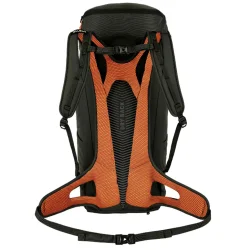
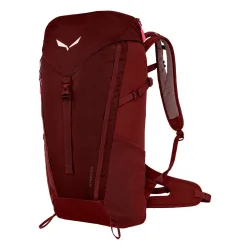
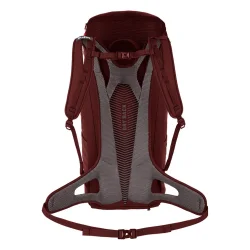
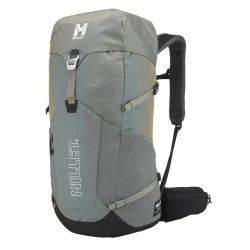
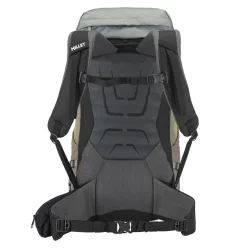
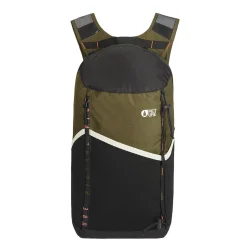
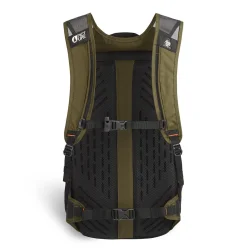
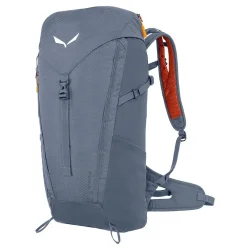
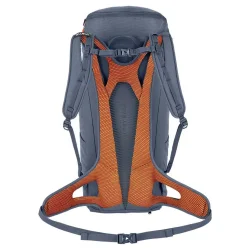
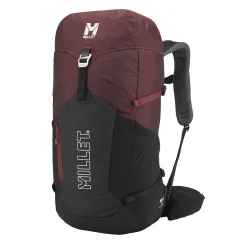
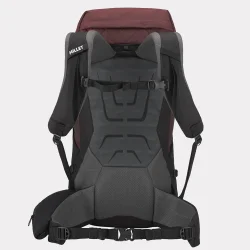
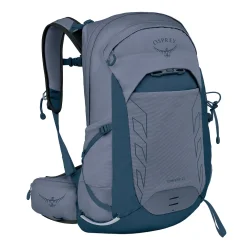
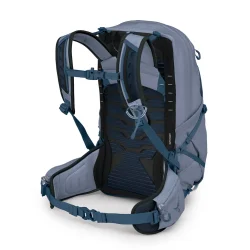
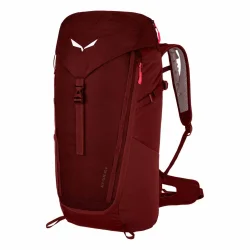
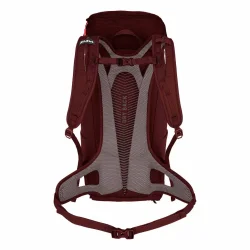
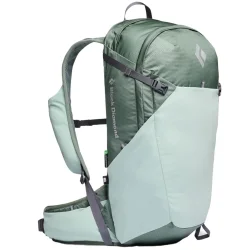
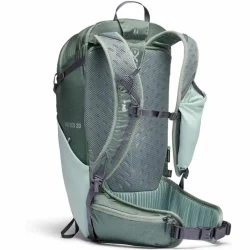
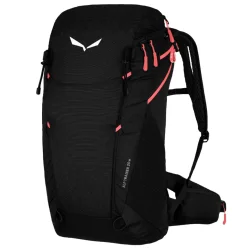
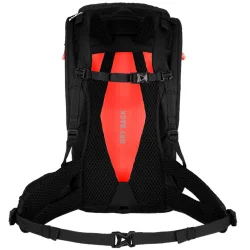
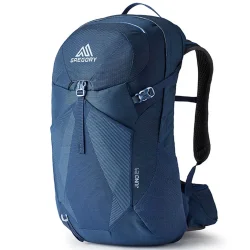
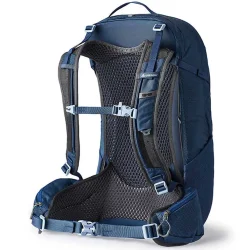
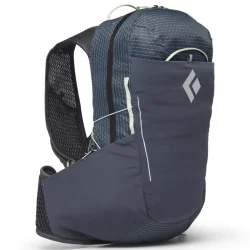
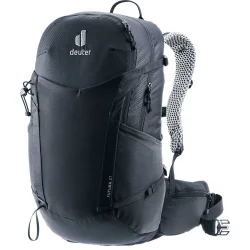
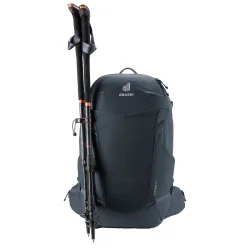
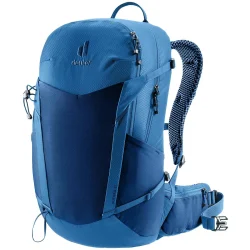
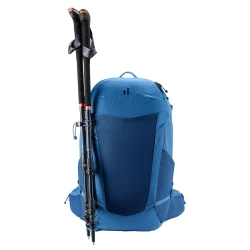
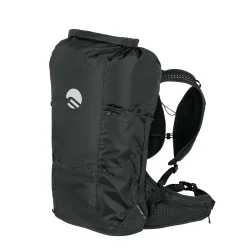
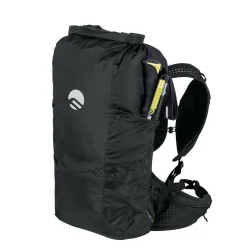
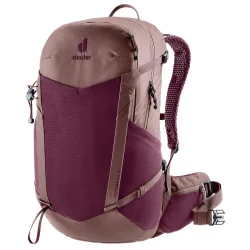
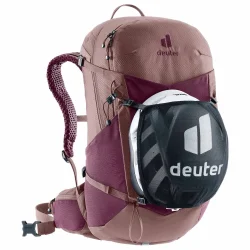
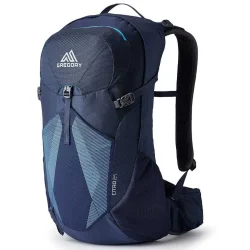
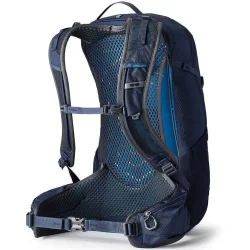
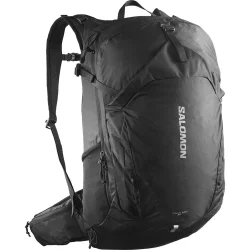
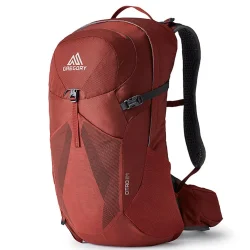
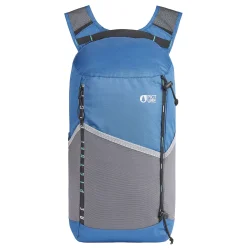
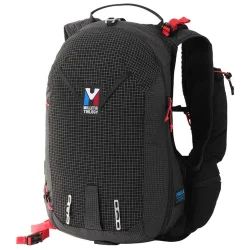
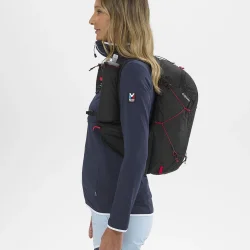
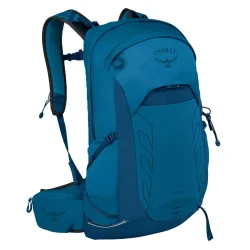
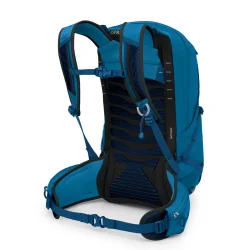
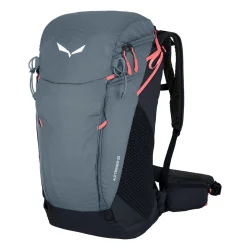
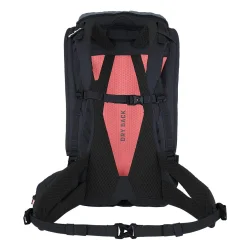
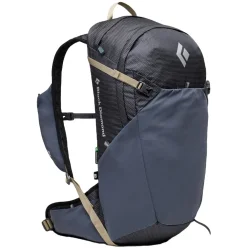
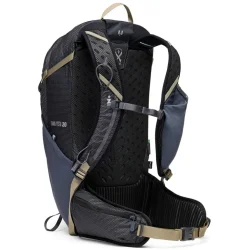
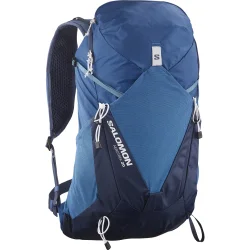
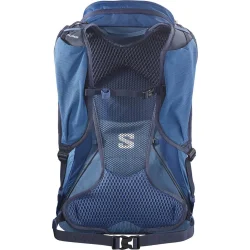
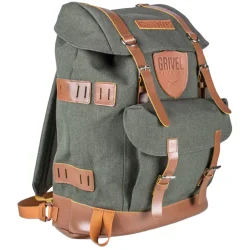
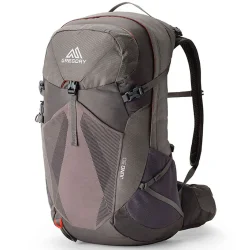
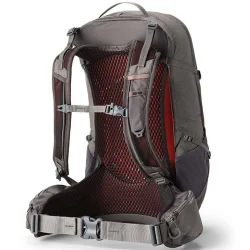
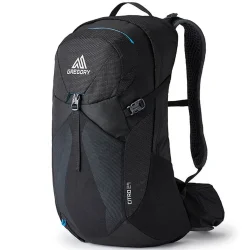
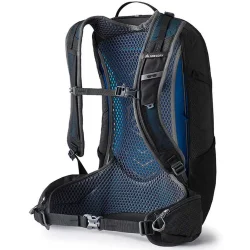
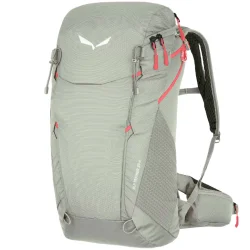
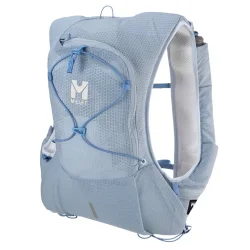
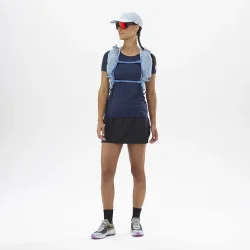
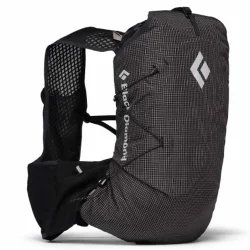
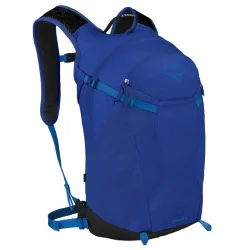
2. Which Hiking Backpack Fits Your Anatomy?
Your choice of backpack should also depend on your body type and physical fitness.
Designed for Women?
Shorter torso length tailored to a woman's back.
Ergonomic & shorter shoulder straps (contoured design to prevent pressure on the chest).
Wider hip belt specially shaped to sit comfortably on the hips without causing chafing or discomfort.
Tall or Short?
Choose your backpack's torso length based on your height, ensuring it does not extend too far above your head.
Tip: A shorter man can absolutely opt for a women’s backpack. Similarly, if you are a woman over 5'9" (1m75), a men’s backpack might offer a better fit.
Maximum Pack Weight Based on Physical Condition
| User Profile | Recommended Maximum Pack Weight (Fully Loaded) |
| Children / Juniors | Should not exceed 10% of their body weight |
| Adults | Should not exceed 15% of their body weight |
| Athletic Adults (Excellent fitness) | Should not exceed 20% to 25% of their body weight |
3. Which Type of Backpack Frame Should You Choose?
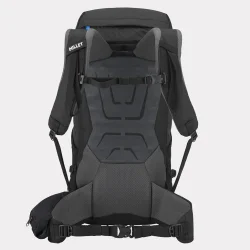
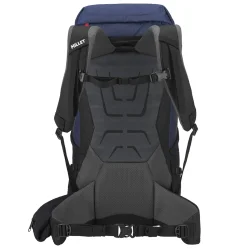
There are 3 main types of frames/back panels for hiking backpacks. Choosing the right one ensures carrying comfort!
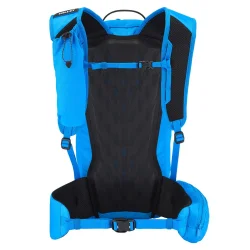
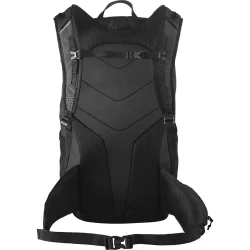
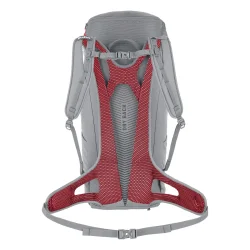
Suspended Mesh Frame (Taut Mesh)
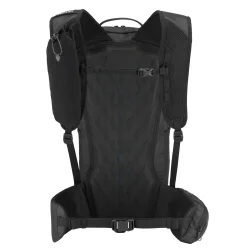
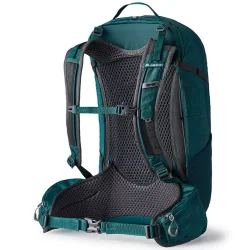
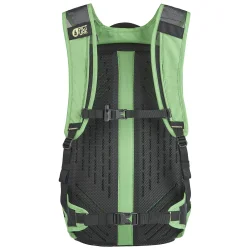
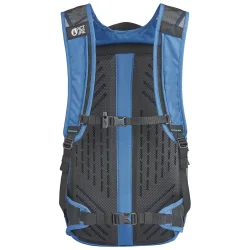
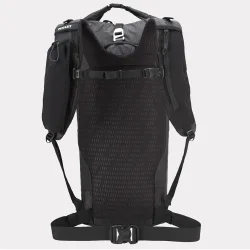
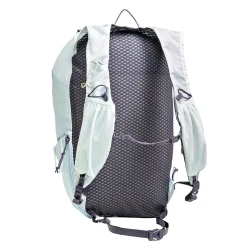
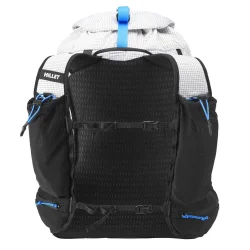
Ventilated back: Allows excellent airflow across your back.
Best for: Short walks and day hikes, especially in the summer.
Downside: It shifts the center of gravity slightly backward.
Weight limit: Best for loads up to 8 kg max to avoid feeling off-balance.
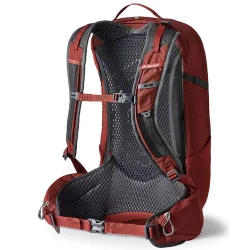
Padded Foam Back Panel
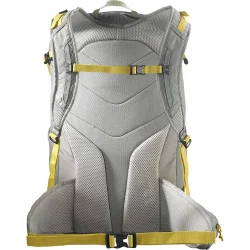
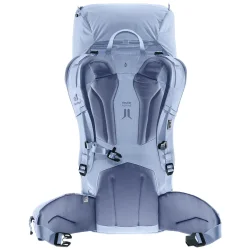
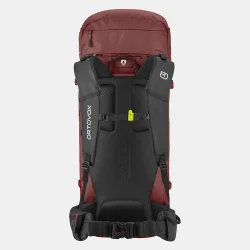
More ergonomic, stable, and comfortable.
Best for: Carrying heavier loads during long hikes or extended treks.
Downside: Air circulation is reduced. Some users may find it uncomfortable around the shoulder blades or the lumbar curve of the hips.
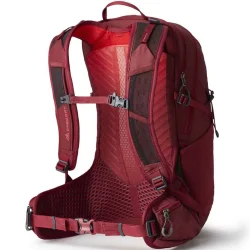
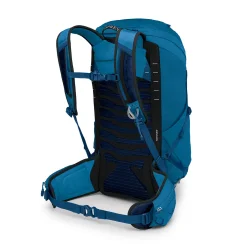
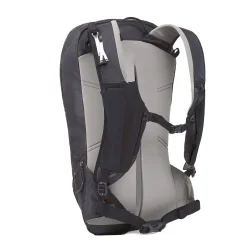
Suspended Padded Mesh (Hybrid)
The compromise: Combines the ventilation of suspended mesh with the load-bearing efficiency and comfort of a padded back.
Flexible mesh: No backward load shift.
Highly ergonomic.
4. What Other Features Should You Look For?
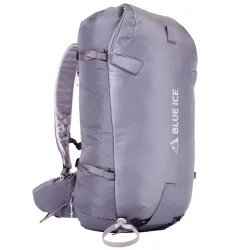
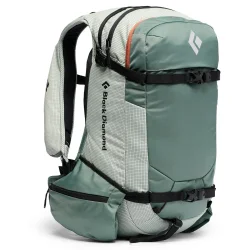
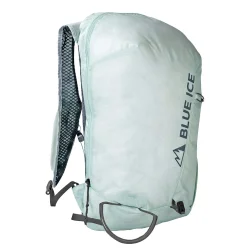
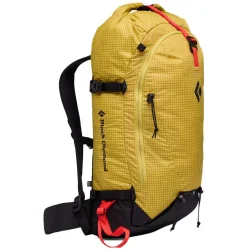
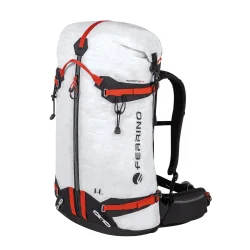
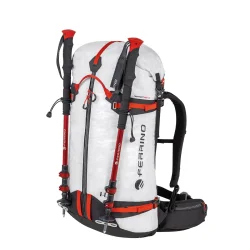
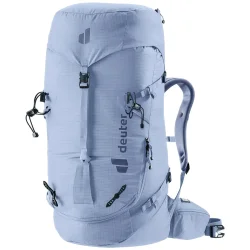
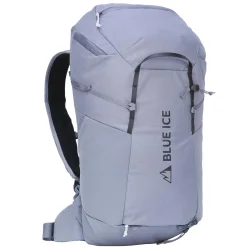
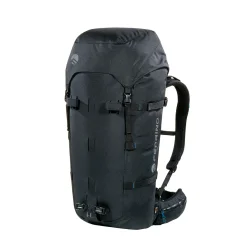
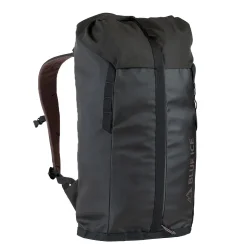
Hiking backpacks come packed with various features and details: rain covers, pockets, trekking pole attachments, and more.
Suspension & Harness System
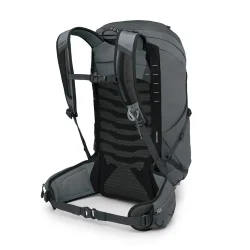
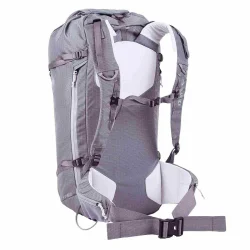
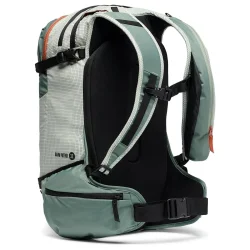
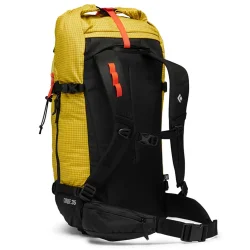
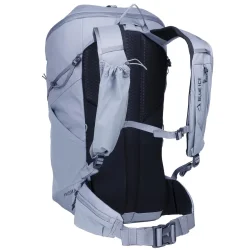
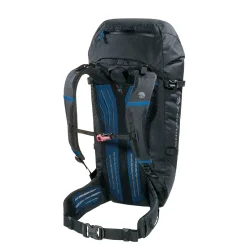
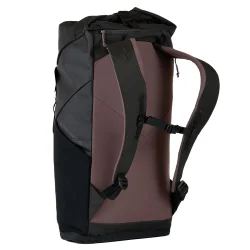
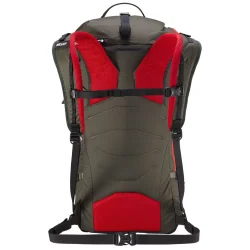
The weight of your pack rests primarily on your hips and shoulders. A high-performance harness system is essential for optimal comfort and to prevent back or shoulder pain. Additionally, the sternum strap (chest strap) keeps the shoulder straps securely in place and helps distribute the load evenly across your upper body.
Hydration System
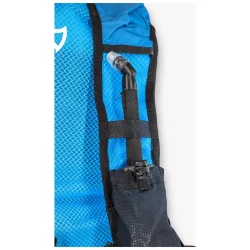
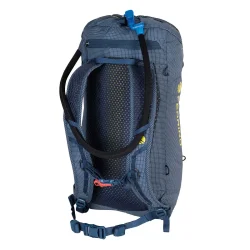
There are different ways to stay hydrated, ranging from internal hydration bladders (water reservoirs) to traditional water bottles. If you prefer a hydration bladder, check if the pack includes a dedicated sleeve, a hose exit port, and routing loops on the shoulder straps to keep the tube secured.
Separate Bottom Compartment
Pay attention to how you access your gear. Some models feature a separate bottom compartment, making packing much more convenient. This allows you to protect specific gear from damage while keeping it easily accessible without unpacking the entire bag.
Expandable Capacity
Some backpacks offer adjustable volume. They feature an expandable top lid (floating brain) that can extend upward to accommodate varying amounts of gear depending on the length of your outing.
Waterproofing with a "Rain Cover"
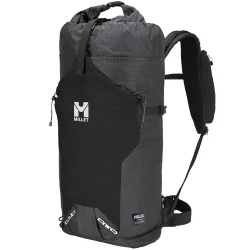
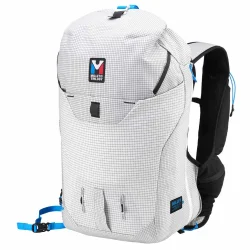
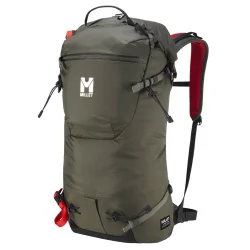
A rain cover acts as a waterproof shield to protect your pack from the elements. Depending on the brand and model, this cover is often built directly into the bag—Millet hiking packs, for example, frequently include one. It can typically be removed for hikers looking to shave off extra weight, or easily added if your pack doesn't come with one.
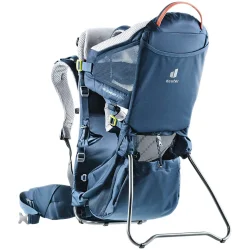
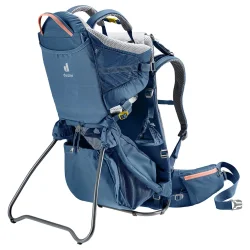
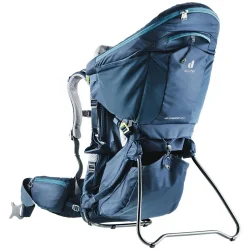
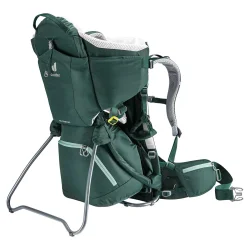
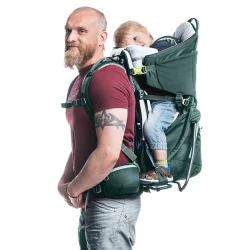
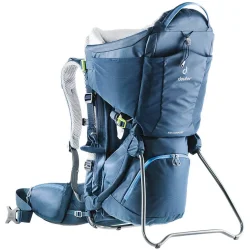
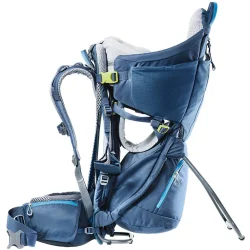
How to Choose a Hiking Baby Carrier Backpack
Planning to hit the mountain trails with your baby? Comfort and proper support are paramount—both for the child and the person carrying them.
Your Child’s Weight and Size
It is crucial to choose a carrier tailored to your child's height and weight.
For infants/young children: The most important factor is proper head and neck support.
Leg position: The ideal ergonomics require the "frog-leg" position—knees spread apart and pulled up toward the belly button.
Important: Avoid carriers where the child's legs dangle straight down, as this puts improper stress on their hips.
Weather and Season
Sun and rain protection can be essential depending on where you plan to hike. Look for models with a built-in sunshade or rain cover to keep your baby protected from the elements. On some carrier models, these features are already integrated.
Adjustability for Parent and Child
To ensure a perfect fit, look for carriers that offer:
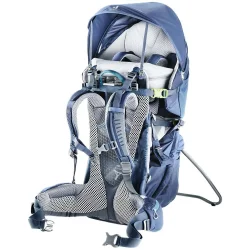
An adjustable torso length on the back panel so the carrier can be customized to the parent's height.
An adjustable and adaptable child seat to accommodate your baby's growth and comfort.