


 fr
frSnowboard Guide: How to Choose the Right Model and Board Size?
We help you find the gear that suits your needs from a wide selection of nearly 400 snowboards. Choosing a snowboard is not just about its design (although style does matter, of course), but also based on your riding style and personal preferences !
- Choose your snowboard based on your riding style
- Choose based on your skill level
- Choose your size/shape
- Choose your camber
- Choose your flex
1. What is your snowboarding style ?
When choosing a snowboard, think about how you mainly ride to determine the category of snowboard you need.
Each board is designed for a specific style, often referred to as the board’s program.
Freeride Backcountry
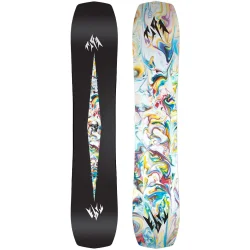
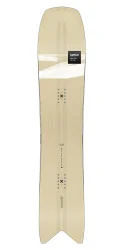
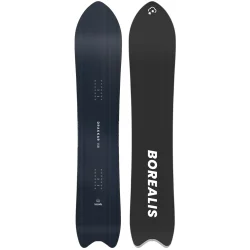
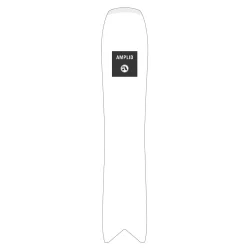
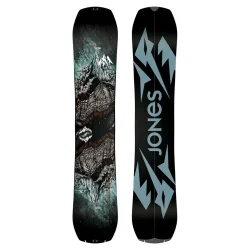
If you love powder and enjoy riding the most untouched slopes and highest peaks, go for a freeride snowboard! These boards are usually slightly longer and have a directional shape with a wider nose than tail, allowing excellent float in deep, fresh snow. This type of board is perfect for backcountry riding!

JONES Stratos
Freeride snowboards
Freestyle jib et park
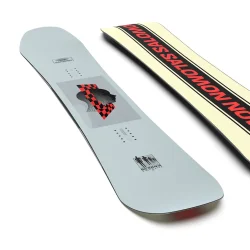
If your favorite playground is the snowpark and you love performing tricks on rails and boxes, you need a freestyle snowboard ! These boards have a twin-tip shape to allow excellent maneuverability and the ability to land tricks in both directions. A freestyle snowboard is designed for riders who enjoy freestyle sessions and progression in the half-pipe.

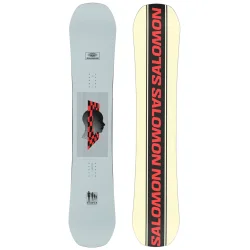
SALOMON Huck Knife
Snowboards Jib & Park
All mountain
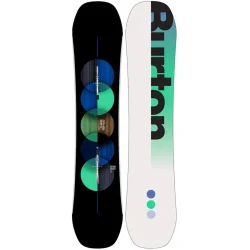
If you’re looking for a board that can adapt to all types of terrain and riding styles, choose an all-mountain snowboard ! These boards are ideal for versatile riding and are particularly recommended for beginners and intermediate riders who want to progress on different types of snow, from groomed runs to off-piste terrain.

BURTON Custom Wide
versatile snowboards
Splitboard
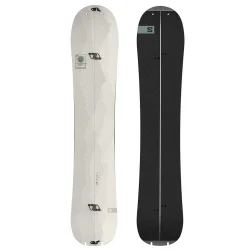
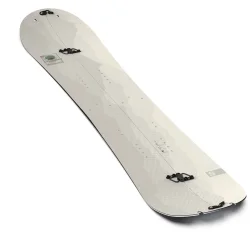
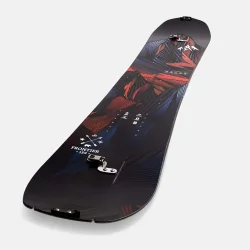
If you dream of exploring the mountains freely, away from marked trails, the splitboard is for you.This snowboard splits into two parts, allowing you to climb the mountain with specific bindings and climbing skins. Once at the top, you reassemble your splitboard to enjoy the descent peacefully, away from ski lifts. Splitboarding is the ideal choice for mountain enthusiasts and backcountry explorers.

Splitboards
2. What is your level : beginner, intermediate or expert ?
Beginner and Intermediate
If you are a beginner or intermediate rider and mostly ride on gentle to moderate slopes (green to red runs) at low to moderate speed, you need a forgiving snowboard. This means a shorter, softer board that makes your first turns and tricks easier. A versatile all-mountain snowboard is ideal for you, as it allows you to progress on different types of terrain while providing good stability and excellent maneuverability!
Intermediate and Advanced
If you are an intermediate rider, you are likely comfortable on moderate to steep slopes (blue to black runs). You can make precise turns, perform small jumps, ride off-piste, and start riding switch (with your stance reversed).
At this level, you can choose from a wide range of snowboards depending on your riding style, whether you focus on freestyle, freeride, or all-mountain performance!
Expert
You master your lines and turns on all types of terrain, even at higher speeds. You need a stiffer, more demanding snowboard that can match your need for precision and performance. You’re looking for equipment specialized for your discipline of choice, whether freeride, freestyle, or another specific style. Your snowboard must perform at a high level to help you push your limits and enhance your mountain experience.
Which snoboard for women ?
Although most snowboards are designed to be unisex, some manufacturers create boards specifically for women. These snowboards are adapted to female body types, with specific lengths and widths, as well as softer flex for more tolerance and comfort while riding. In addition to often more “feminine” aesthetics, these boards are designed to optimize performance for female riders while addressing their specific needs in terms of maneuverability and responsiveness.
3. Choosing your snowboard size/shape
The shape of a snowboard is another key factor when choosing your board. Depending on your riding style (freestyle, freeride, all-mountain), the shape can have a significant impact on your riding experience. In recent years, highly specialized shapes have emerged, and today there are several options for each type of riding.
Snowboard au Shape Twin
A twin (or twin-tip) shape means the board is symmetrical: it’s identical from nose to tail. This allows for great maneuverability and the ability to ride in both directions. The flex is consistent along the entire board, the inserts are centered, and the tips are identical. This type of shape is ideal for freestyle because it makes tricks and spins in both directions easier. It’s also perfect for riders who enjoy rails, boxes, or riding in a half-pipe.
Directional-Shaped Snowboards
A directional shape is asymmetrical: the nose is longer than the tail, which improves performance on groomed runs and off-piste. The center of gravity is shifted toward the back of the board, providing more pop and making it easier to float in powder. This shape is recommended if you prefer carving or freeride turns. Directional boards are ideal for riders seeking performance in natural terrain, offering smoother control in deep snow.
Twin-Directional Snowboards
A twin-directional shape combines the advantages of twin and directional boards. The inserts are slightly set back to improve float in powder and provide better control, while maintaining a symmetrical shape that allows for enjoyable freestyle riding. This compromise is perfect for riders who want a versatile board suitable for both freeride tricks and snowpark sessions.
Tapered Directional Snowboards
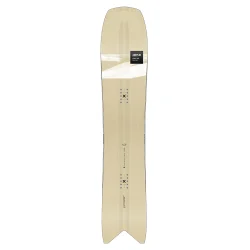
A tapered directional shape is similar to a directional board but with an important difference: the nose is wider than the tail. This design makes the board much more maneuverable in powder, as the nose stays on top of the snow, providing optimal float without putting pressure on the back leg. This shape is ideal for riders who spend a lot of time in the backcountry and want a board that makes navigating deep snow easier.
4. Choosing the Camber of Your Snowboard
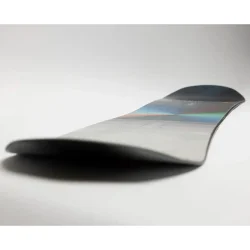
The camber refers to the profile of the snowboard, and it is a fundamental criterion when selecting your board. It determines how the board contacts the snow, affecting its glide dynamics and performance in different conditions. The camber you choose will influence your riding experience, from maneuverability to edge grip and pop.
Classic camber
Classic camber (or positive camber) is the first type of camber used in snowboarding and remains a versatile choice. It is designed with two contact points at the tip and tail, while the center of the board does not touch the snow. Positive camber acts like a spring, generating extra pressure when flexed, providing better pop for jumps and tricks.
This camber is especially appreciated for its responsiveness, offering excellent precision and edge hold, even at high speeds. Classic camber is therefore ideal for riders of all levels (beginner, intermediate, or advanced) and adapts well to various conditions, whether groomed slopes or fresh powder.

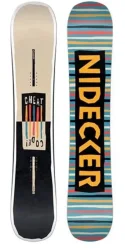
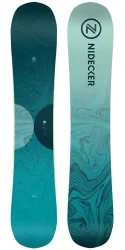
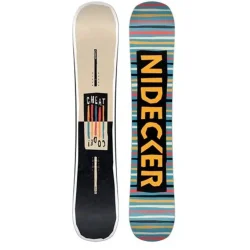
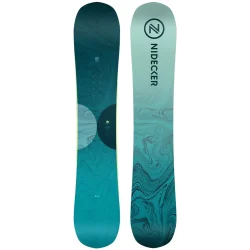
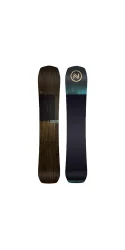
NIDECKER Blade
Flat camber
Flat camber, also called zero camber, is completely flat between the nose and tail. This allows the board to stay in constant contact with the snow along its length, improving stability and edge hold. This type of camber is especially appreciated in park modules where good stability is crucial, while also providing decent pop for jumps.
Many flat camber boards feature rocker at the tip, which adds float in powder and increases forgiveness on the edges. This profile is ideal for those seeking a stable and easy-to-handle board in varied conditions.

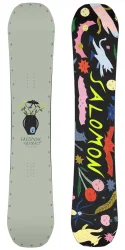
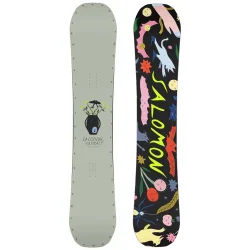
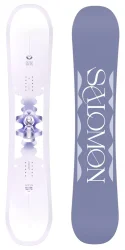
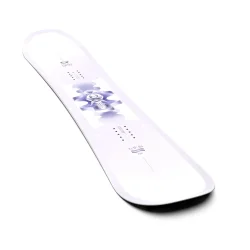
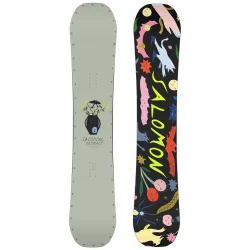
SALOMON Lotus W
Rocker/Reverse camber
Reverse camber (or rocker) is the opposite of classic camber: it takes a banana or V shape depending on the brand. This profile has a single contact point with the snow, usually under the center of the board, making it extremely maneuverable and playful. Rocker is perfect for riders seeking a forgiving board, especially for edge errors or beginners learning to control their board.
This camber performs exceptionally well in powder, allowing the board to float above the snow effortlessly, eliminating the need to press down on the back leg.

LIBTECH Skate Banana
Wide Snowboard or Not : Which Width Should You Choose ?
If you wear snowboard boots size 44 (EU) or larger, it’s better to choose a wide snowboard to avoid your heels or toes touching the snow. Nothing is worse than an edge catching on hard-packed snow because your feet extend beyond the board!
Fortunately, most manufacturers now offer “wide” versions of their boards, which are wider than the standard models.
Be sure to measure the length of your boots and compare it to the waist width of the snowboard. Your boots should not overhang! Keep in mind that the width of the board naturally affects the weight of the snowboard and its maneuverability when linking turns. If you don’t have large feet, it’s better to avoid a wide model.
5. Choosing the Flex of Your Snowboard
The flex of a snowboard is measured on a scale from 1 to 10.
- Soft flex : 1 to 4/10
Soft flex makes it easier for beginners to maneuver their board, providing a forgiving ride on the slopes and helping prevent falls. This flex is also popular among freestylers, who appreciate the softness for tricks and, most importantly, for absorbing imperfect landings.

- Medium flex : 5 to 7/10
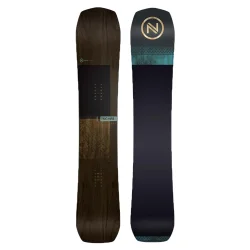
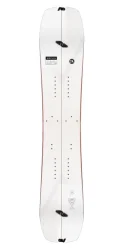
Medium flex is ideal for more versatile riding, both in the park and on piste. The extra stiffness provides better stability and edge hold while carving.

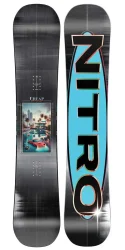
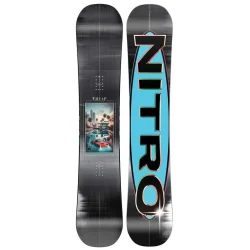
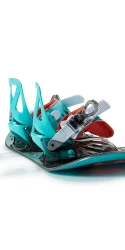
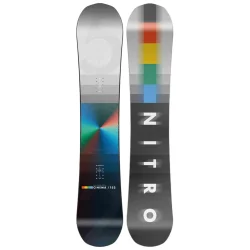
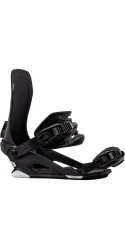
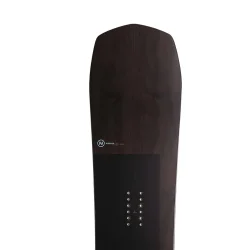
NITRO Volta Splitboard
flex 5/10
- Stiff flex : 8 to 10/10
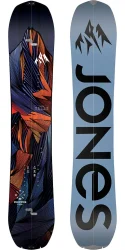
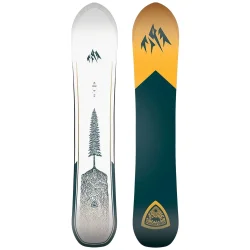
Perfect if you’re looking for maximum control at high speeds on piste or in freeride. The board will be highly responsive and precise. Be careful: boards with this flex are demanding and are best suited for expert riders with good physical condition to handle them.

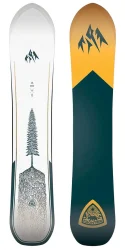
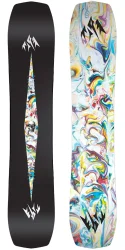
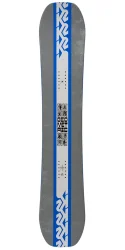
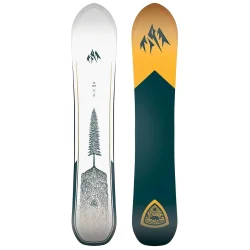
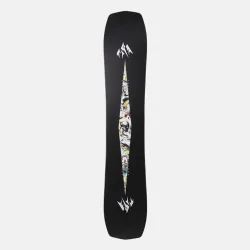
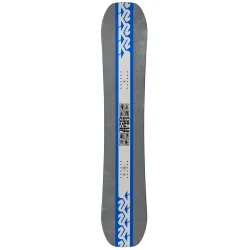
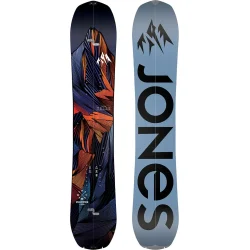
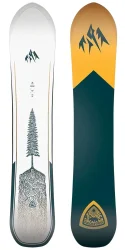
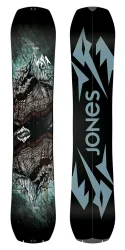
JONES Flagship Wide
flex 8/10

What Is the Sidecut Radius?
The sidecut radius (sometimes called the turning radius) refers to the arc molded into the edges of a snowboard. It is the radius of an imaginary circle that would perfectly fit the curve of the board's edge between the nose and the tail. This curve directly influences how the snowboard handles:
A short radius allows for tighter, quicker turns.
A long radius favors wider, high-speed turns.
Choosing the right sidecut radius is an important factor based on your riding style, whether you focus on freestyle, freeride, or carving.
What Type of Edges?
The edges are the metal strips located along the sides of your snowboard's base. They are essential for gripping the snow, and even ice. Keeping your edges properly sharpened is crucial for maintaining stability and preventing unexpected washouts because, unlike skiers, a snowboarder places all their weight on a single edge during a turn. A sharp, solid edge is therefore indispensable for precise and safe turns.
Some manufacturers add serrations to the edges (like Magne-Traction) to provide even more bite, offering superior grip, especially in icy or difficult snow conditions.
What is Effective Edge? The effective edge refers to the section of the steel edge that actually makes contact with the snow when you are riding. It also plays a key role in the stability and maneuverability of your snowboard.
What Type of Base Should You Choose?
The base is the polyethylene layer on the bottom of the snowboard that comes into contact with the snow and determines how well your board glides.
Regular maintenance of the base—such as waxing and repairing gouges—can make a huge difference. Proper care helps you maintain speed and avoids those frustrating moments on flat sections where sticky snow can slow you to a crawl.
Burton, Nitro, Salomon... which snowboard brand should you choose?
Aaah, brands—we all have our favorites. That’s why at MONTAZ we embrace diversity, with nearly 30 brands listed! Each one has its own story and values, which we invite you to discover on each of our brand pages.
"Frenchy" brands
Dupraz – Easy – Furlan – Plum – Rossignol – Salomon
"Reference" brandes
Burton – Nitro – Nidecker – Jones – Ride – Arbor – Lib Tech