



 fr
frHow to choose your ski boots: The complete guide
Would you like to finally buy your own ski boots instead of renting them every season? Or perhaps it's time to upgrade your gear to make the most of the season?

Choosing the right ski boots is essential for enjoying skiing without worrying about your feet! Here are a few tips to help you choose the right ski boots for your feet, your level and your skiing style (off-piste skiing, downhill skiing, ski touring, freeriding, freestyle, racing, etc.).
1. Selecting the width: The metatarsal
This is the first criterion to consider when buying ski boots. The idea is to know the width of your feet, particularly the width of your metatarsal.
- Narrow feet : 95 to 99 mm.
- Standard feet, for most skiers : 100 to 101 mm.
- Wide feet : 102 to 104 mm.
- Very wide feet : +105 mm
Manufacturers provide metatarsal width information based on a reference size of 26/26.5. This width decreases for smaller sizes and increases for larger sizes. You need to add or subtract 2 mm per shell size to get the right fit.
Once this criterion has been taken into account, you need to consider the skier's support requirements. The more experienced you are, the narrower the boot you should choose. You can therefore choose a narrow boot if you are looking for precision rather than comfort. In a boot that is too wide, your foot will not be properly supported, making it difficult to control your skis.
Examples :
Example 1 : you wear a size 41 (26/26.5) with a foot width of 102 mm: you will probably need a wide boot.
Example 2 : you wear a size 44 (28/28.5) with a foot width of 102 mm: you will probably need a narrow boot. You need to subtract two shell sizes to get to 26.5, i.e. 102-4 = 98 mm reference width = narrow feet.
Please note: You can enlarge the shell of your shoes, but you cannot make them smaller. It is therefore essential not to choose a size that is too large. At Montaz, we can adapt the shell to your feet, including for specific conditions such as hallux valgus.
2. Select the height of the kick
This criterion is often overlooked, yet the height of the instep plays a fundamental role. A shoe that is poorly suited to this area can cause blood circulation problems and discomfort. Thanks to our in-store 3D scanner, we can accurately identify the right volume for your feet.
3. Comprendre la rigidité des chaussures de ski : Le flex
The rigidity of the ski boot, also known as “the flex” in technical terms, generally ranges from 50 to 150. It depends on your skiing level and body weight. The higher the flex, the more responsive the boot will be and the faster the power transfer. A high rigidity provides better responsiveness, resulting in greater precision during turns and maneuvers.
It is essential to choose ski boots suited to your level in order to maximize your enjoyment on the mountain!
Low flex (50–80): Ideal for beginners or those seeking comfort.
Medium flex (90–110): Perfect for intermediate skiers who want good support while continuing to improve.
High flex (>110): Designed for expert skiers, offering maximum responsiveness and precision.
The main goal is to keep your foot properly supported inside the ski boot!
4. Assess your skiing level
Your skiing level plays a key role in choosing the rigidity of your boots. Here are some recommendations to help you match your ski boots to your skill level :
- Beginner skier: Comfort is your priority — choose a flex between 60 and 90. Pick boots that are easy to put on and handle to help you progress with confidence.
- Intermediate / advanced skier: A flex between 90 and 110 offers a great balance between comfort and performance, ideal for improving your technique.
- Expert skier: Go for a flex higher than 110 to benefit from the precision needed to control your turns in all conditions.
The more experienced you are, the narrower the boot you should choose — for better control !
5. Choose according to your skiing style
Ski boots vary depending on your discipline!
Alpine skiing (on-piste): Choose boots that combine support and precision, essential for making smooth turns and tackling mogul fields with confidence.
- Freeride skiing (off-piste, freeski, backcountry): If you prefer off-piste skiing, go for models designed for versatility and comfort. Freeride ski boots generally have a fairly high but progressive flex, meaning they bend smoothly to follow your natural movements while adapting to changes in terrain.
See our freeride ski boots
- Freestyle skiing : Choose a high and progressive flex so the boots can adapt to terrain variations, allowing you to fully express your creativity.
- Ski touring and freerando: Touring ski boots are lighter, making the ascent easier. They often include specific inserts for touring bindings.
Freerando boots are also light but offer better downhill performance!
- Telemark: Telemark boots are larger and very rigid, providing excellent power transfer to the skis.
See our telemark ski boots
Looking for ultra-fast and easy-entry ski boots? Discover our easy-entry ski boots
Discover our bootfitting service and customize your ski boots
Your ski boots must be perfectly adapted to your body shape! Several techniques can be used to adjust your boots to the morphology of your feet.
Our MONTAZ store in La Ravoire offers a bootfitting service all winter long to adapt your ski boots and snowboard boots perfectly to your feet!- Shell deformation: Heating the shell and using specific tools to remove pressure points.
- Shell grinding: Removing material from the shell’s thickness to create extra space while maintaining precision.
- Liner injection: For an ultra-customized and perfectly fitted boot.
If you’d like to take advantage of our bootfitting service, you can call our store at 04 79 72 59 69 to make an appointment.
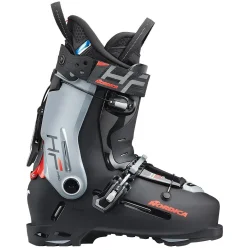
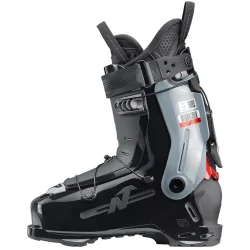
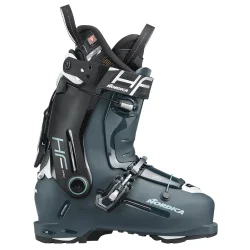
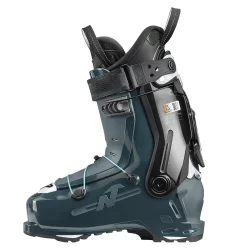
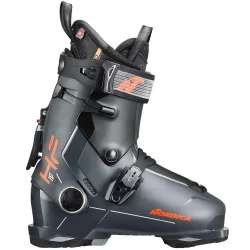
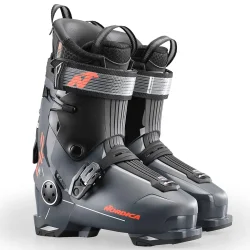
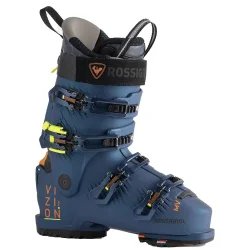
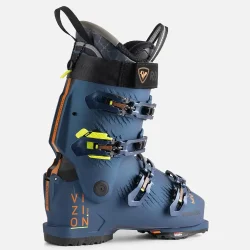
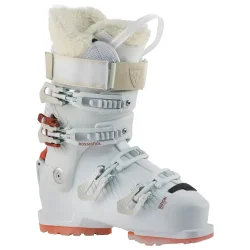
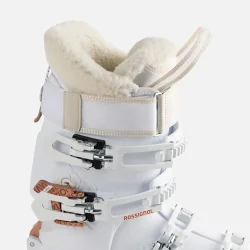
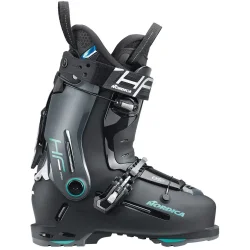
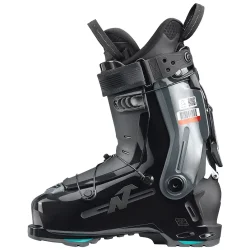
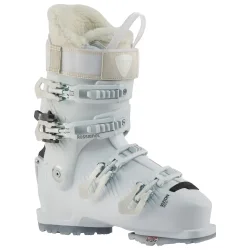
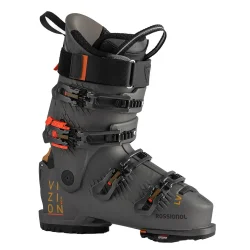
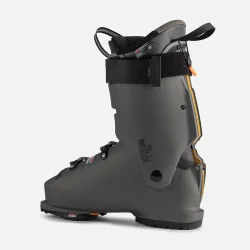
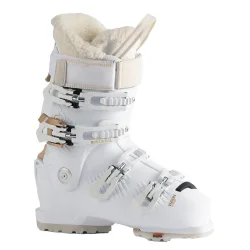
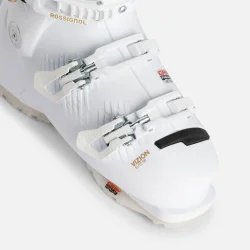
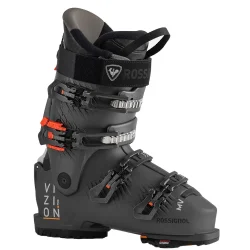
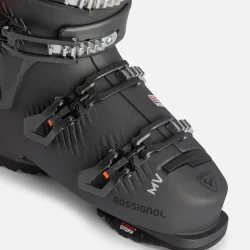
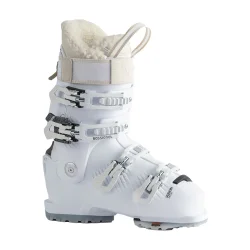
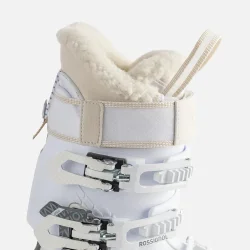
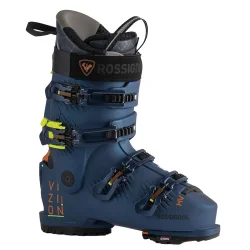
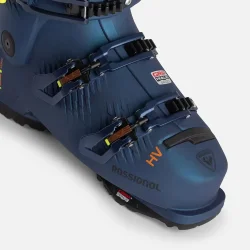
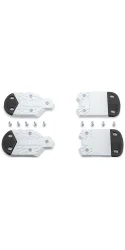
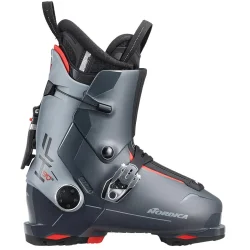
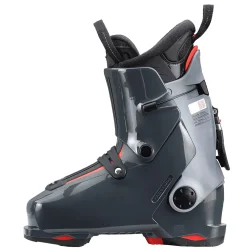
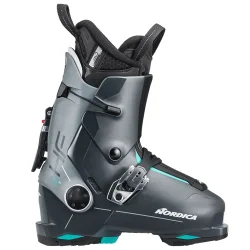
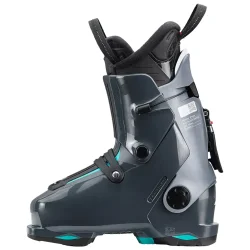
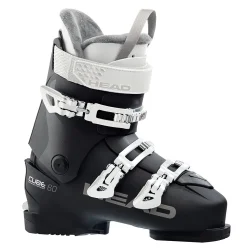
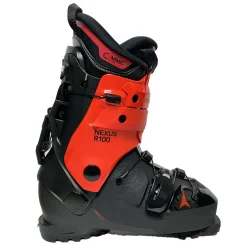
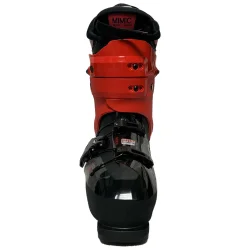
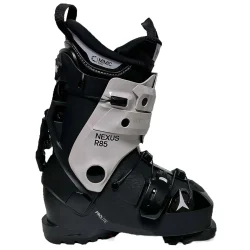
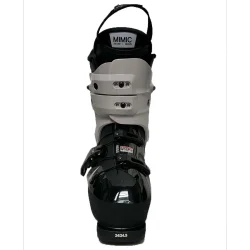
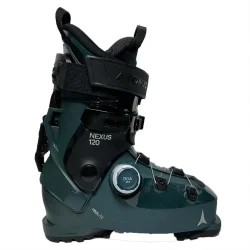
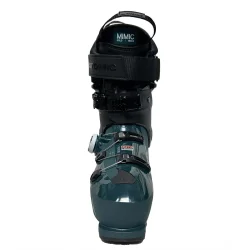
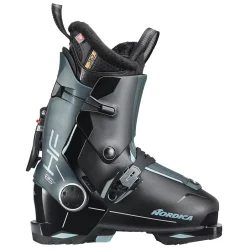
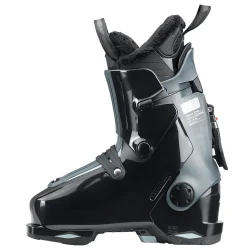
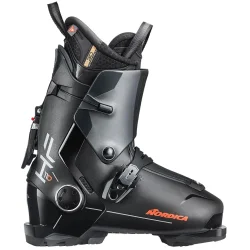
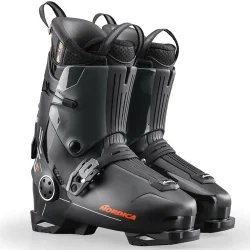
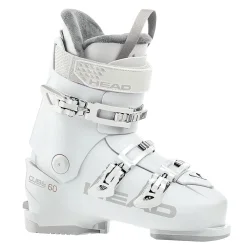
Discover ROSSIGNOL ski boots with revolutionary boot-fitting technology.
This new technology combines ease of boot fitting with the performance of a 4-buckle boot.