



 fr
How to pack for a ski tour
Pack for your route, the length of your tour and the conditions in the mountains. Bring what you need for safety and self-sufficiency while keeping weight manageable.
Watch the Montaz packing tutorial
Loading the player connects your browser to YouTube.
2. Avalanche safety
In avalanche terrain, each person carries a transceiver, shovel and probe and practises using them regularly.
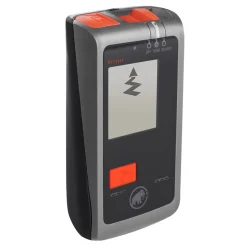
Avalanche transceiver
Wear the transceiver on your body in send mode, following the manufacturer’s instructions.
Browse transceivers

Also bring a ski touring helmet, a first-aid kit and an emergency blanket.
3. Technical gear
Choose your gear for the snow conditions and terrain on your route. Check what fits and practise setting it up at home before you go.
Explore the gear:
- Climbing skins — Fit them to your skis before leaving to check that the clips hold and the glue sticks.
- Boot crampons and ice axes — Some sections may need to be tackled on foot. Check that the crampons fit your boots and that you know how to use both them and your ice axe.
- Headlamps — Even on a short tour, pack a charged headlamp and keep it in an easy-to-reach pocket.
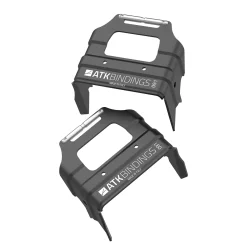
- Ski crampons — On firm snow, fit them from a stable spot before the traverse. Practise fitting them at home and check that they fit your bindings and ski width.
Repair kit
Pack a ski strap, strong tape and a tool that fits your bindings for minor repairs.
4. Clothing
Pack an insulating layer for stops and descents, a weatherproof shell and spare gloves. Bring a hat, neck warmer, eye protection and sunscreen. Choose gloves that let you adjust your bindings, switch from uphill to downhill mode and remove your skins without taking your gloves off.
Explore the clothing categories:
5. Food and hydration
Drink regularly, even in cold weather. Bring water or a hot drink, accessible snacks and lunch for longer tours. Adjust quantities for the duration, effort and weather, and carry a little extra.
Explore the categories:

6. Packing your backpack
Keep your shovel and probe quick to reach. Pack heavy items close to your back and keep water, snacks and your warm layer within easy reach.

7. FAQ
Where should I wear my transceiver?
Wear it on your body in send mode in avalanche terrain, following the manufacturer’s instructions.
How do ski crampons differ from boot crampons?
Ski crampons fit onto your bindings. Boot crampons attach to your boots.
What should I keep within reach?
Keep your shovel and probe quick to access. Make water and protective layers easy to reach too.